
Ultimate Guide to Screen Printing Frames: Static vs Retensionable
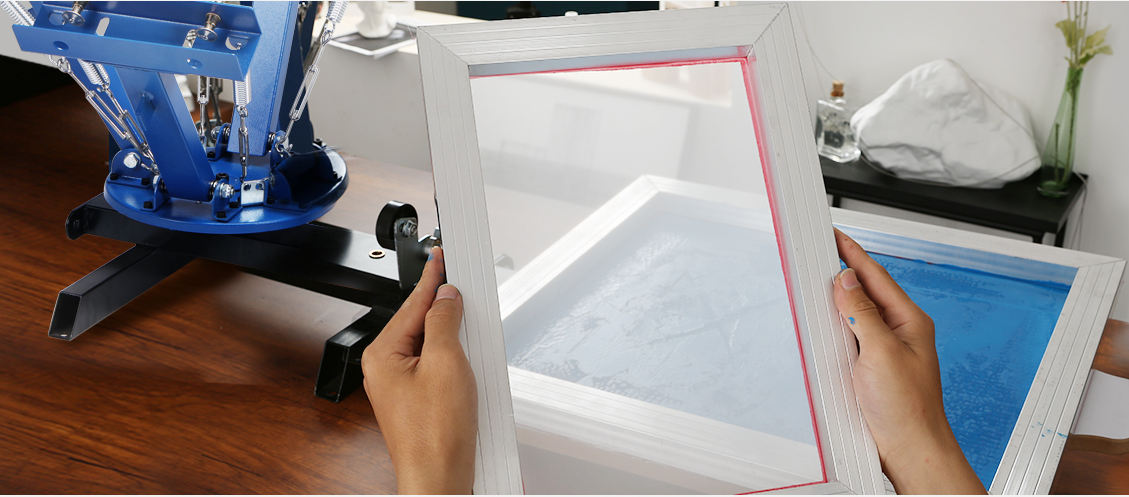
Ultimate Guide to Screen Printing Frames: Static vs Retensionable
For professional screen printing operations, selecting the right screen printing frames is one of the most critical decisions. The frame not only supports the mesh but directly influences print quality, tension stability, and operational efficiency. This guide covers everything from static frames and retensionable frames, to adhesives, materials, maintenance practices, and advanced considerations for maximizing workflow efficiency and print fidelity.
What Are Screen Printing Frames?
A screen printing frame is the structural support that holds mesh fabric in place during printing. The choice of frame material, type, and adhesive directly impacts how tightly the mesh can be held, how consistent the print is, and how long the frame and mesh last. Frames can be divided into two main categories:
- Static Frames – sometimes called stretch-and-glue frames or rigid frames.
- Retensionable Frames – often referred to as retens, rollers, or extenders.
Both types have distinct benefits, limitations, and applications, depending on your production needs, shop size, and print volume.
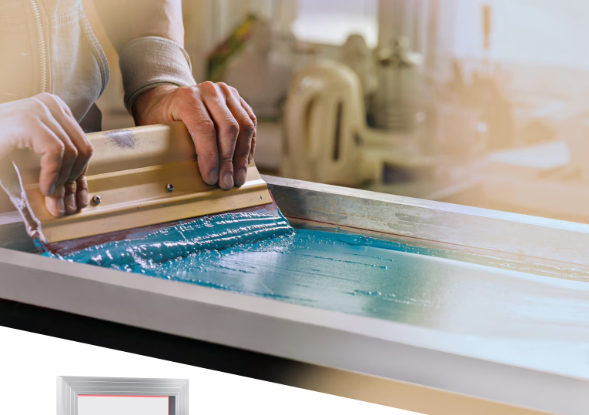
Static Screen Printing Frames
Static frames are fixed in nature. Once the mesh is attached, tension is maintained solely by the mesh fabric. When the mesh loses its functional tension or is damaged, it must be removed and replaced.
Materials for Static Frames
Static frames are commonly made from wood, aluminum, and steel. Each material has unique characteristics affecting print quality, durability, and chemical resistance.
Wooden Frames
- Advantages: Cost-effective, widely available, and easy to customize for small shops or hobbyists.
- Disadvantages: Susceptible to moisture, warping, and chemical degradation. Even when coated with water-repellent finishes, wooden frames may bow or rot after repeated cleaning cycles.
Modern high-quality wooden frames use glued mortise-and-tenon corners to improve structural stability. Historical methods like staples or cord grooves cannot maintain high tension and are considered obsolete.
Aluminum Frames
- Advantages: Durable, corrosion-resistant, and reusable. Aluminum frames can withstand repeated mesh stretching and chemical exposure.
- Disadvantages: Higher initial cost and tension is still controlled by the mesh fabric.
Static aluminum frames generally use adhesives to bond the mesh. Two globally recognized adhesive solutions are:
- CHEMBOND® 2000-H.T.A. Two Part Frame Adhesive Kit (Made in USA) – This high-performance adhesive offers exceptional chemical resistance and longevity, ensuring strong mesh-to-frame bonds even in demanding industrial environments. Its two-part formulation guarantees a secure bond that resists ink solvents, cleaning chemicals, and repeated stretching.
- KIWO Glue (Made in Germany) – Renowned in the screen printing industry for decades, KIWO adhesives provide excellent adhesion and durability on aluminum frames, especially for high-tension polyester mesh. They are widely preferred by professional shops seeking reliability and precision.
Proper preparation of aluminum frame surfaces—sandblasting or mechanical abrasion—is critical for both adhesives. Sandblasting creates micro-patterns for the glue to grip, significantly improving bond longevity compared to simple sanding or grinding.
Steel Frames
Steel frames, while strong, have largely fallen out of favor due to oxidation and corrosion. They remain suitable only for specialized applications where corrosion is not a concern.
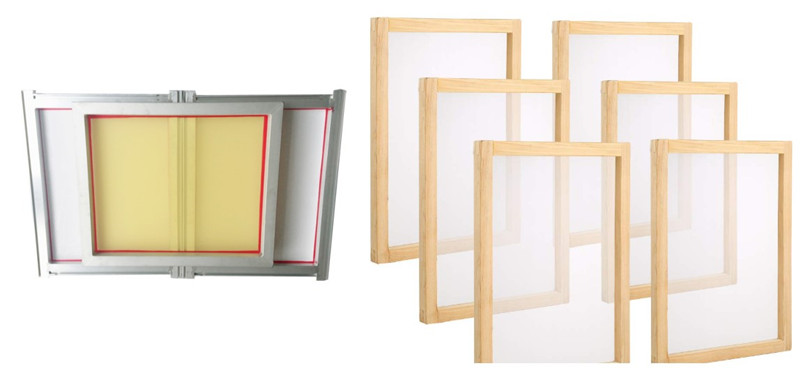
Retensionable Screen Printing Frames
Retensionable frames, or retens, are designed for dynamic mesh tensioning, allowing printers to adjust tension without replacing the frame or mesh. These frames are ideal for high-volume, high-quality print operations.
Mechanisms of Retensionable Frames
There are two primary retensionable mechanisms:
- Roller-Based Frames: Brands like Diamond Chase and Newman utilize rollers to pull mesh away from the frame face, allowing precise tension adjustments.
- Expansion-Based Frames: Brands like Hix and Screen Tek expand outward uniformly, distributing tension across the entire mesh surface for maximum print clarity.
Both systems allow mesh work-hardening, where repeated tensioning stabilizes mesh threads, permitting higher tension printing without premature wear.
Advantages of Retensionable Frames
- Extended Mesh Life: Mesh can be re-tensioned multiple times without full replacement.
- Improved Print Consistency: Dynamic tension ensures even ink deposition across prints.
- Higher Tension Capability: Work-hardened monofilament polyester mesh maintains superior tension.
- Operational Cost Efficiency: Although initial investment is higher, long-term costs are reduced due to fewer frame and mesh replacements.
- Enhanced Print Speed and Quality: Retensionable frames require less squeegee pressure, reduce ink waste, and support longer uninterrupted runs.
Maintenance and Care
High-tension mesh is prone to corner damage, abrasion, and accidental “pinging”. Proper handling, storage, and cleaning routines are essential. Using high-quality adhesives, such as CHEMBOND® 2000-H.T.A. or KIWO glue, ensures the mesh remains securely bonded to static frames if retensionable options are not in use.
Comparing Static and Retensionable Frames
| Feature | Static Frames | Retensionable Frames |
|---|---|---|
| Tension Control | Fixed by mesh | Adjustable by operator |
| Mesh Longevity | Limited | Extended via re-tensioning |
| Material Options | Wood, aluminum, steel | Predominantly aluminum |
| Chemical Resistance | Wood limited, aluminum moderate | High, especially with proper care |
| Operational Cost | Often higher over time | Lower due to long lifespan |
| Print Quality | Acceptable for basic designs | High-quality, consistent, precise |
For professional printers, retensionable frames consistently outperform static frames in speed, quality, and operational efficiency.
Choosing the Right Screen Printing Frame
When selecting frames, consider:
Wooden Frames
Suitable for hobbyists or small-volume printing. Limited tension, susceptibility to moisture, and short lifespan restrict utility in professional shops.
Static Aluminum Frames
Ideal for medium-volume operations. CHEMBOND® 2000-H.T.A. adhesive or KIWO glue significantly improves the longevity of aluminum frames by resisting chemical degradation from inks and cleaning solutions.
Retensionable Frames
Best choice for commercial operations seeking high-quality prints, operational efficiency, and cost-effectiveness. Standardizing frame sizes across manual and automatic presses improves workflow, reduces downtime, and maximizes shop productivity.
Advanced Frame Selection Tips
- Consider Press Type: Manual vs automatic presses may require different frame sizes or compatible square bars for roller systems.
- Adhesive Selection: Use CHEMBOND® 2000-H.T.A. for superior chemical resistance in industrial applications or KIWO glue for reliable performance on high-tension mesh.
- Mesh Type Compatibility: Ensure the adhesive and frame type are compatible with polyester, nylon, or specialty meshes.
- Environmental Considerations: Aluminum frames with high-quality adhesives resist moisture and cleaning chemicals better than wood.
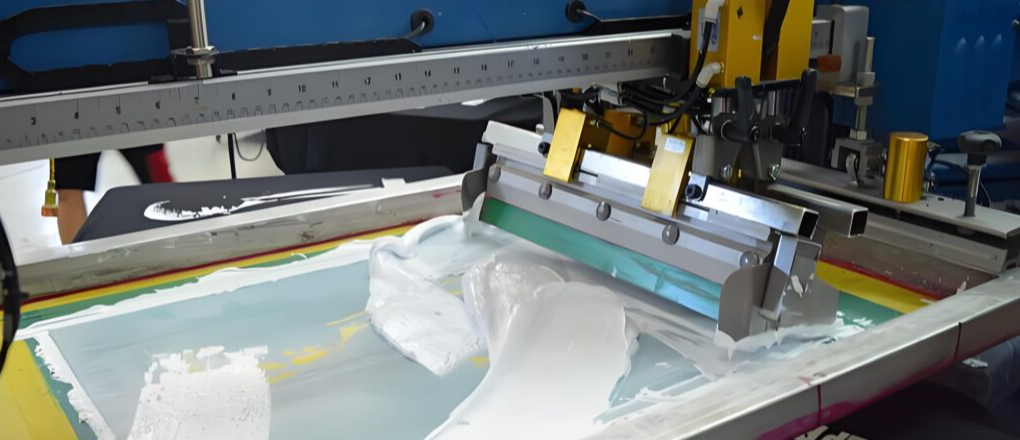
Professional Recommendations
- Invest in retensionable frames for long-term efficiency.
- Use CHEMBOND® 2000-H.T.A. or KIWO glue for static aluminum frames to maximize adhesion and longevity.
- Handle high-tension mesh with care to prevent damage.
- Standardize frame types and sizes across the shop for workflow consistency.
Key Takeaway: While static frames may suffice for occasional prints, retensionable frames combined with premium adhesives provide the most reliable, durable, and cost-effective solution for professional screen printing.
Conclusion
Selecting the appropriate screen printing frame is a strategic decision that directly impacts print quality, consistency, and cost management. While static frames, particularly wood or aluminum, remain viable for basic prints, retensionable frames deliver unmatched advantages in tension control, mesh longevity, and operational efficiency. Incorporating CHEMBOND® 2000-H.T.A. Two-Part Frame Adhesive Kit (Made in USA) or KIWO glue (Made in Germany) further enhances frame reliability, ensuring long-lasting, high-quality prints.
Professional printers who invest in high-quality frames and adhesives enjoy:
- Faster print speeds
- Lower squeegee pressure
- Reduced ink waste
- Longer uninterrupted runs
- Higher print fidelity
By understanding frame types, materials, adhesives, and proper maintenance, screen printing operations can achieve professional-grade results, maximize efficiency, and ensure long-term profitability.
How to Use a Screen Printing Machine to Print on T-Shirts
What Is Direct-to-Garment (DTG) Printing?
Related Article


