
How to Choose the Right Polyester Mesh Count for Screen Printing
How to Choose the Right Polyester Mesh Count for Screen Printing?
Throughout the entire screen printing process, polyester screens are one of the most critical consumables; the choice of mesh count directly determines the precision of the final print, ink layer thickness, and sharpness of the image edges, and can even affect ink adhesion and production efficiency. Many printing professionals often fall into the misconception that “the higher the mesh count, the better the print quality” during actual production, which ultimately leads to a series of problems such as screen clogging, uneven ink coverage, and wasted costs. In reality, a suitable polyester screen mesh count is never simply a matter of “the higher, the better”. Instead, it requires a comprehensive assessment of multiple factors, which including the characteristics of the substrate, ink type, design precision requirements, and printing conditions to strike the optimal balance between quality and efficiency.
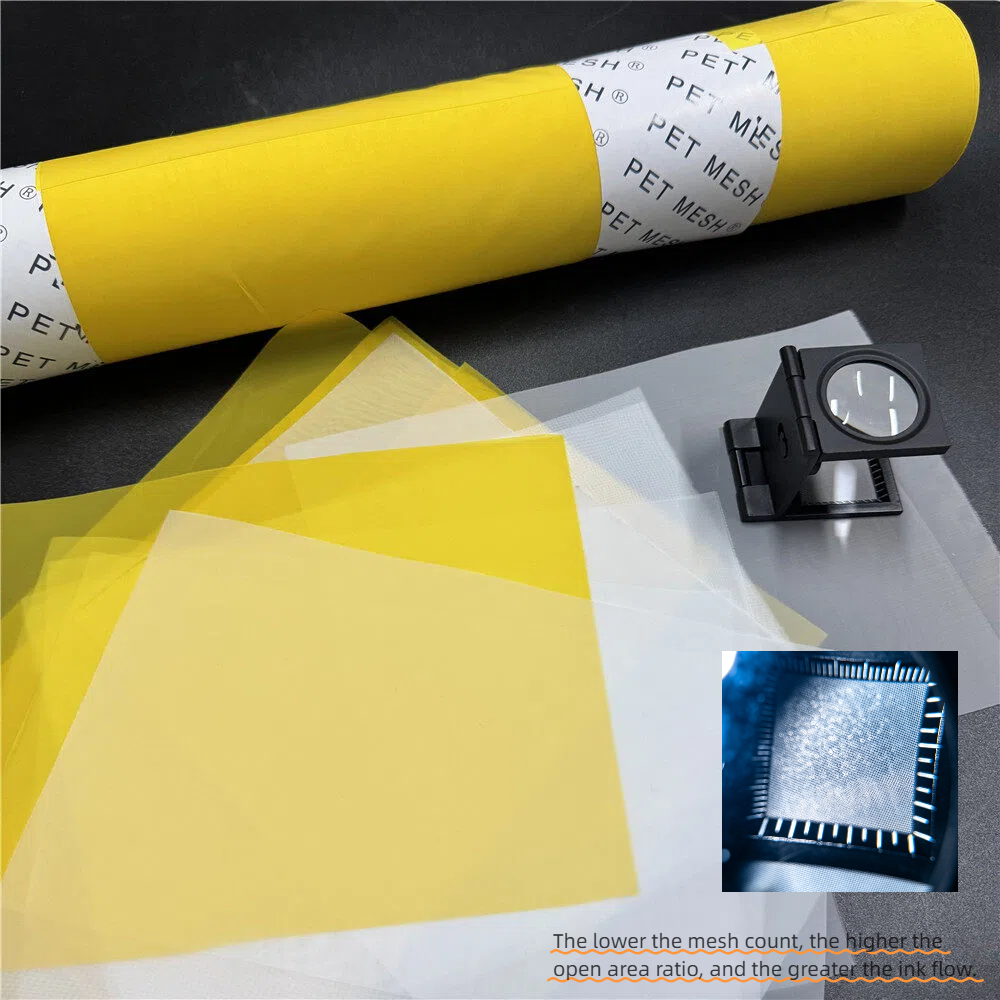
1. The Core Definition and Fundamental Characteristics of Polyester Mesh Size
Many people view mesh count simply as “the number of threads per inch”. But to choose the right mesh count, you must first move beyond this narrow concept and understand the three key parameters associated with it. The first is the open area ratio. The proportion of the total mesh area occupied by the gaps between the threads. For the same material and weave, the lower the mesh count, the higher the open area ratio, and the greater the ink passage. The second is the wire diameter. Even for a 300 mesh polyester screen, the wire diameter can vary from 30 micrometers to 40 micrometers depending on the manufacturer, which directly affects the actual size of the mesh openings. The third is the screen thickness. Lower-mesh screens are generally thicker, while higher-mesh screens are thinner, and this ultimately determines the thickness of the ink layer left on the substrate after printing.
The material properties of polyester mesh itself also determine its different applications compared to nylon and stainless steel mesh. Compared to nylon mesh, polyester mesh has higher tensile strength and better dimensional stability, making it less prone to color registration shifts caused by tension loss during prolonged batch printing; compared to stainless steel mesh, polyester mesh is less expensive and has better elasticity, making it less likely to scratch the substrate during the printing process. These fundamental characteristics make polyester mesh the preferred choice for the vast majority of standard screen printing applications—such as apparel printing, advertising signage, and electronic component printing—and also allow for a wider margin of error in mesh count selection compared to other materials.
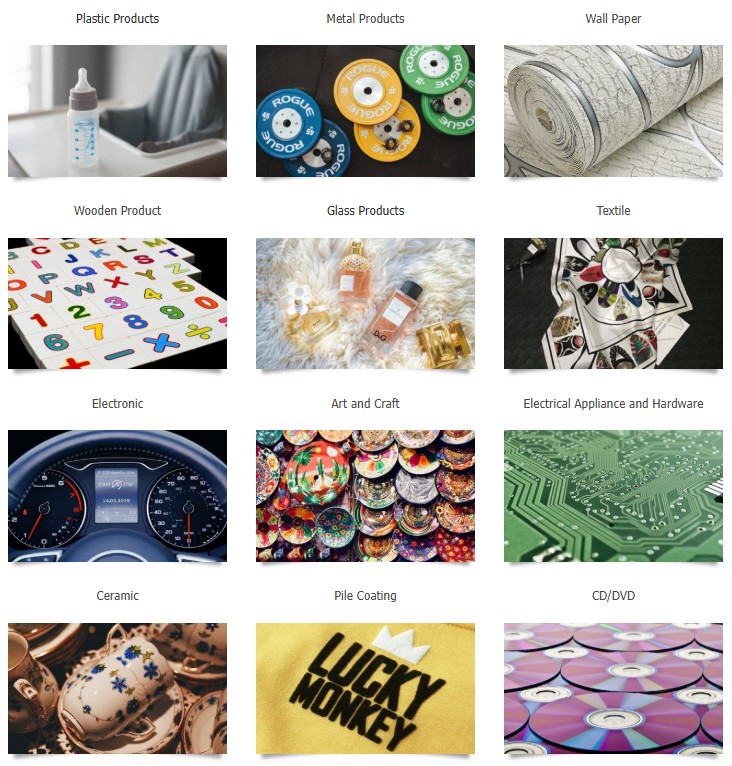
2. Focusing On the Substrate, Match the Basic Mesh Range
The first step in selecting the mesh count for screen printing polyester mesh is always to determine the material and surface condition of the substrate you intend to print on. Different substrates have vastly different ink absorption requirements, and this is the fundamental principle that determines the choice of mesh count.
If the substrate is a fabric with a rough surface and large pores, such as knitted fabric, denim, or canvas, you must choose a low-mesh polyester screen to ensure the ink fully penetrates the fibers and guarantees the fastness of the print. Conventional water-based ink printing typically uses polyester screens with a mesh count of 80 to 120, while thick-film adhesive ink printing may even employ ultra-low mesh counts of 40 to 60 to build up a three-dimensional design effect through high ink deposition. If a high-mesh-count screen (200 mesh or higher) is mistakenly used in such scenarios, the ink deposition will be severely insufficient, causing the ink to sit on the fabric’s surface. After just a few washes, the print will peel off or crack.
If the substrate is a smooth, flat material such as paper, PVC film, or self-adhesive labels, there is much greater flexibility in mesh count selection. Standard outdoor advertising banner printing typically uses 180- to 250-mesh polyester screens, which ensure sufficient ink layer thickness for rich colors while meeting basic requirements for pattern clarity; for fine-detail label and sticker printing, high-mesh polyester screens ranging from 300 to 420 mesh can be selected to reproduce fine text and lines and prevent jagged edges in the design.
Special hard substrates such as glass, metal sheets, and electronic PCB boards have different mesh requirements. Low-temperature glaze printing on glass requires a large ink volume to ensure glaze thickness, so polyester screens with a mesh count of 150 to 200 are typically used; whereas for conductive paste printing in the electronics industry, polyester screens with a mesh count of 300 to 500 are precisely selected to control the uniformity of the conductive layer’s thickness, ensuring that the conductive paste passes through the screen smoothly without causing short circuits due to an excessively thick ink layer.
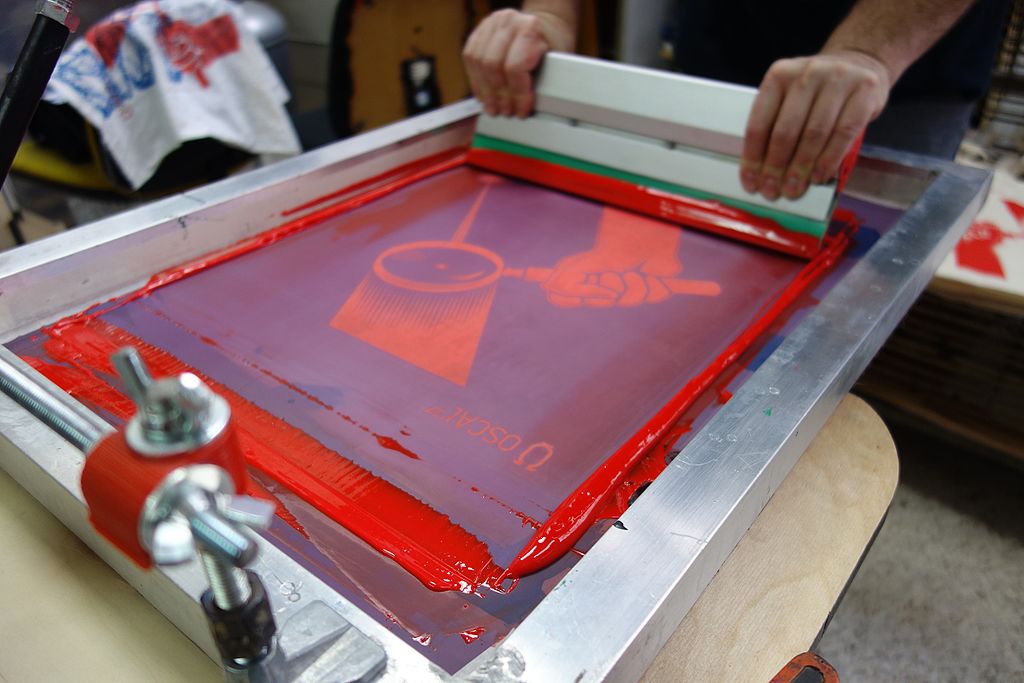
3. Precision Range of Mesh Count Calibration Based on Ink Type
After determining the appropriate mesh count range for the substrate, the next step is to further narrow down the mesh count options based on the type of ink you are using. Different inks vary greatly in particle size and viscosity, and whether these match the open area size of the polyester screen directly determines whether issues such as screen clogging or ink leakage will occur during the printing process.
Water-based inks generally have finer particles and good flow properties, making them compatible with the widest range of mesh counts—from 60-mesh printing on thick substrates to 420-mesh fine text printing. Solvent-based inks, on the other hand, tend to be more viscous; some contain large particles such as pearlescent pigments or metallic powders, and in such cases, high-mesh screens must never be used. For example, special printing inks containing glitter typically have glitter particles with diameters of 50 micrometers or more. If a polyester screen with a mesh count of 250 or higher is used in this case, the mesh openings will be smaller than the glitter particles, leading to frequent screen clogging during the printing process and making normal production impossible. In such scenarios, a polyester screen with a mesh count between 80 and 150 is typically required to allow the large pigment particles to pass through the mesh openings smoothly.
UV-curable inks cure quickly and require a thin, even ink layer, making them the ink type best suited for high-mesh polyester screens. For many intricate UV embossed prints, polyester screens with a mesh count of 350 to 500 are used. By precisely controlling ink transfer, these screens ensure a thin and even ink layer, preventing issues such as wrinkling and bubbling during UV ink curing. If a screen with too low a mesh count is mistakenly used in UV printing, excessive ink transfer can result in incomplete curing of the UV ink, which often leads to a sticky surface and poor adhesion.
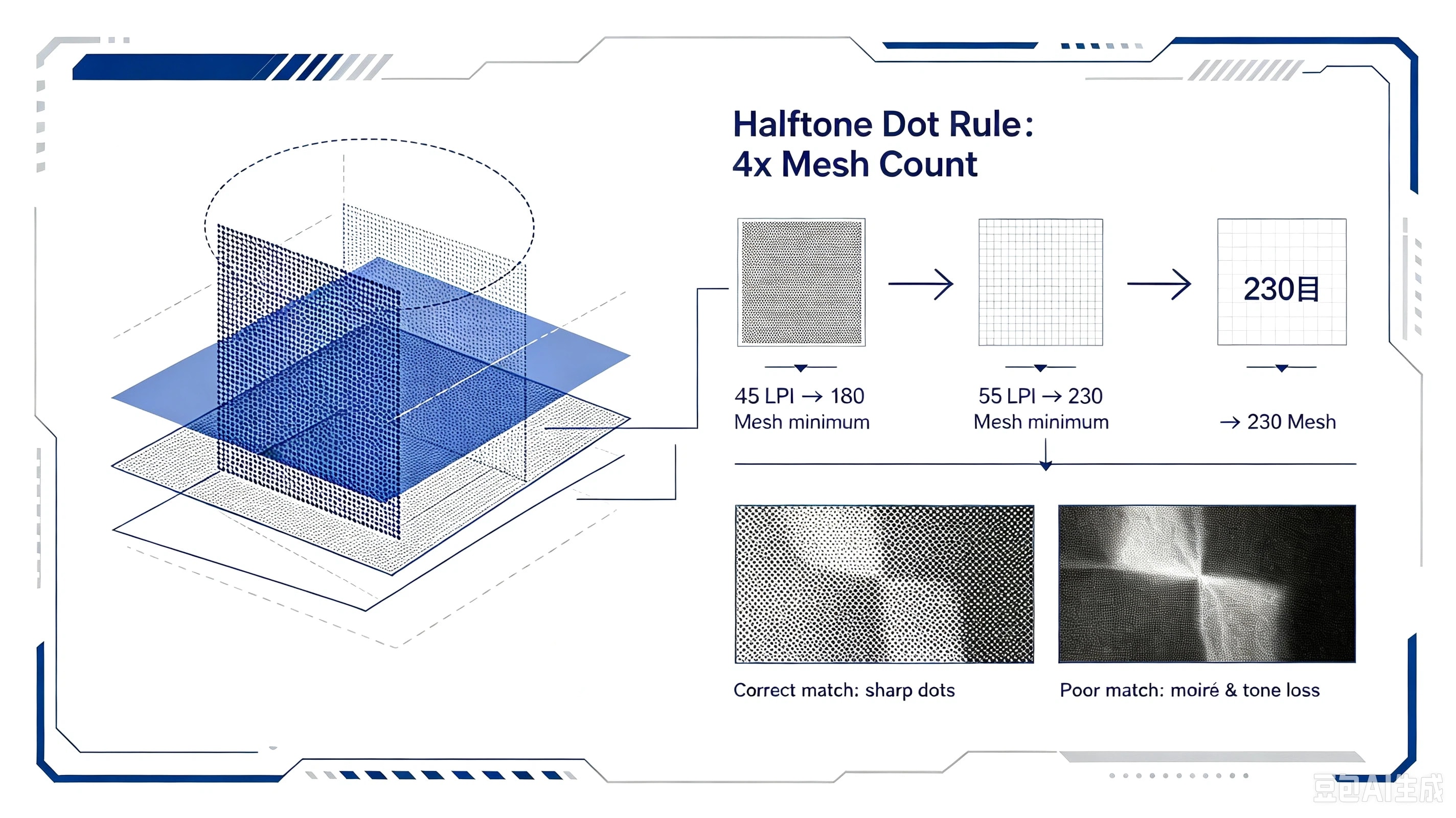
4. Complete the Final Thread Count Optimization Based on The Pattern's Precision Requirements
Once the appropriate mesh count ranges have been determined for both the substrate and the ink, the final step is to select the specific mesh count based on the precision requirements of the print design. There is a general rule of thumb in the industry: the mesh aperture size must be at least two-thirds of the width of the thinnest line in the design to ensure that the lines are reproduced clearly and completely on the substrate.
For example, if your design contains fine lines measuring 0.2 millimeters, the mesh opening size of the polyester screen should be at least 0.13 millimeters, which corresponds to a mesh count not exceeding 200. If you blindly select a high-mesh-count screen of 300 or higher, you are likely to encounter issues such as ink breaks or gaps in the fine lines. Conversely, if your design consists entirely of large solid color blocks without fine text or intricate lines, there is absolutely no need to use high-mesh-count screens of 400 mesh or higher. Selecting a polyester screen with a mesh count between 180 and 250 mesh will not only ensure an even ink layer on solid color blocks without pinholes but also significantly increase printing speed and reduce the likelihood of screen clogging.
One point that many professionals tend to overlook is the mesh count matching for halftone dot printing. For standard four-color halftone screen printing, the screen mesh count should be 4 to 5 times the line count of the halftone screen. For example, if you are using a 100-line halftone screen, you should select a polyester screen with a mesh count of 400 or higher. This prevents moiré patterns from appearing in the halftone dots and ensures accurate color reproduction. If the ratio between the dot line count and the screen mesh count is out of balance, the printed image will exhibit irregular patterns and must be scrapped.
In summary, selecting the appropriate polyester mesh count essentially involves striking a balance between the two core metrics: “ink transfer” and “sharpness”. No single mesh count can suit all printing scenarios. By starting with the substrate’s basic requirements, calibrating the range based on ink characteristics, and finally optimizing for image precision, you can select the polyester mesh count best suited for production—thereby improving print quality while reducing material waste and enhancing overall production efficiency.
Still feel confused in choosing polyester mesh? Contact to get more suggestions.
How do I screen print step-by-step?
Aluminum Squeegee Holders and Floodbars for Screen Printing Machines
Related Article


