How much does screen printing usually cost?
How much does screen printing usually cost?
In the fields of commercial customization and brand manufacturing, screen printing has consistently been the most widely recognized and reliably applied traditional printing process. Thanks to its thick, rich ink layers, exceptional adhesion, outstanding abrasion resistance, and excellent outdoor weather resistance, screen printing is widely used in areas such as apparel brand printing, high-end cultural and creative merchandise, industrial components, glass and metal products, and premium packaging. Compared to the standardized unit-price model of digital printing, screen printing has an independent, rigorous, and well-established pricing system in the markets. Procurement teams, and design agencies, understanding the true cost structure of screen printing is key to managing project budgets, optimizing customization solutions, and controlling brand quality assurance costs.
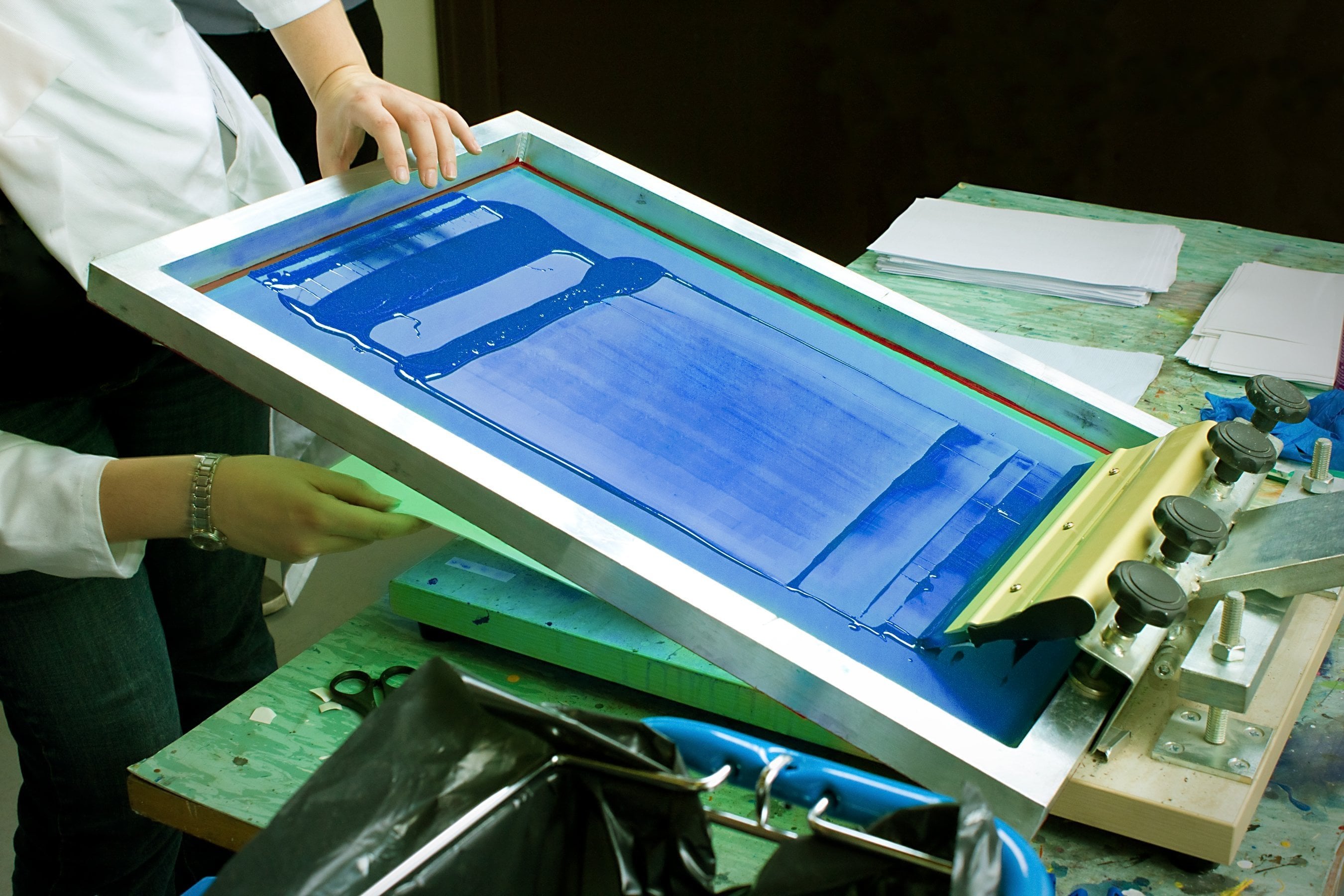
The pricing structure for screen printing is essentially divided into two main components: a one-time setup fee for screen production and a per-unit fee for mass production. This is also the standard pricing model uniformly adopted by professional printing shop. Screen setup fees constitute the core fixed cost of screen printing projects. The industry strictly adheres to the professional standard of “one color, one screen”; for each additional color in a design, a separate precision screen must be produced to ensure accurate color registration. In the market, the setup fee for a standard single-color commercial screen ranges from $60 to $95; and in the UK, local workshops typically charge between 50 and 80 pounds. For extra-large-format printing, high-precision industrial patterns, and reinforced specialty screen frames, the complexity of the screen-making process increases significantly, with the cost per screen reaching up to $200. Once a screen is produced, it can be archived and reused long-term。 Brands placing repeat orders do not need to pay screen-making fees again, which is the key reason why large-volume customization can significantly reduce costs.
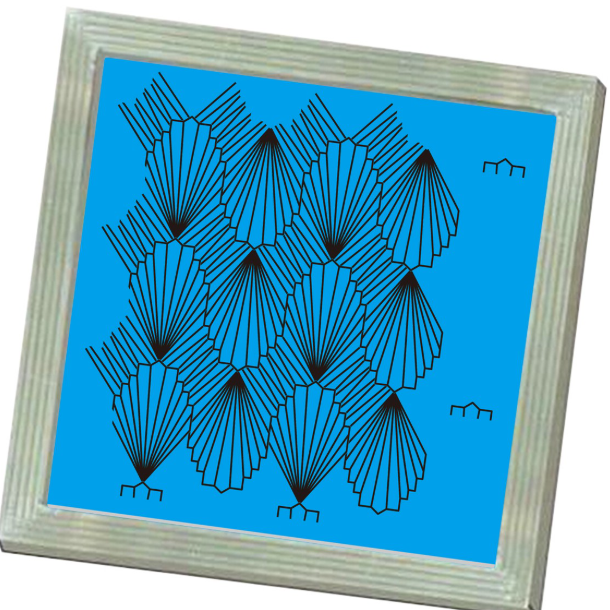
Pre-printing file processing is a standard fee item in the screen printing markets, and it is also a cost detail that many emerging brands tend to overlook. Bitmap images and blurry graphics cannot be printed directly。 They require professional designers to perform vector reconstruction, pattern trimming, color separation, and registration calibration. The standard hourly rate in the screen printing industry ranges from $30 to $80. If the brand can directly provide standard vector files in AI, EPS, or SVG formats, this fee can be waived entirely. Due to fixed plate-making costs, the screen printing industry generally sets reasonable minimum order quantities. For standard cultural and creative products and apparel, the minimum order quantity is 24 pieces; for industrial products, this is adjusted slightly based on size and production complexity to ensure printing accuracy and production stability.
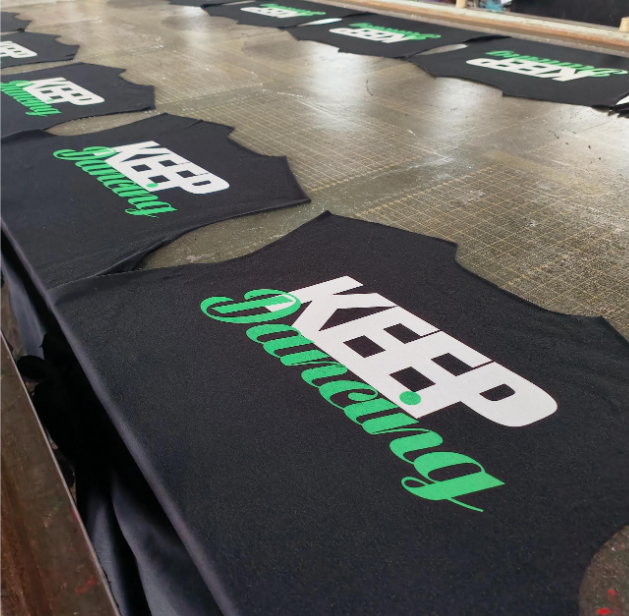
Order quantity is the key factor determining the unit cost of printing, and economies of scale are particularly evident in screen printing pricing. Due to the high proportion of fixed costs in small-batch orders, unit prices are generally higher. In the market, for small orders of 24 to 50 pieces, the unit cost for single-color logo printing is approximately $6 to $7; for medium-sized orders of 100 to 200 pieces, the unit price drops to $3 to $3.50; for bulk orders of 500 to 1,000 pieces, the unit price can be kept around $2; and for large-volume commercial orders of 1,000 pieces or more, the unit printing cost can be as low as $1 to $1.60. It offers a significant overall value for money.
The number of colors and the complexity of the registration process are the key factors driving the variation in screen printing prices. Single-color printing is the most cost-effective option. For each additional color, not only are there extra screen-making costs, but the process also requires multiple machine setups for alignment, color registration, and drying and curing, leading to a simultaneous increase in labor costs and production waste. According to standard pricing guidelines, the unit price for two-color registration printing is 1.6 to 2 times that of single-color printing. For complex three- and four-color registration printing, which requires extremely high registration precision and significantly more time for setup, the unit price increases by an additional 30% to 60%. Printing on dark fabrics requires a pre-printed white undercoat, which is a hidden additional process equivalent to adding a new print color and incurs extra processing fees. Additionally, double-sided printing and multi-area spot printing are each billed as separate processes.
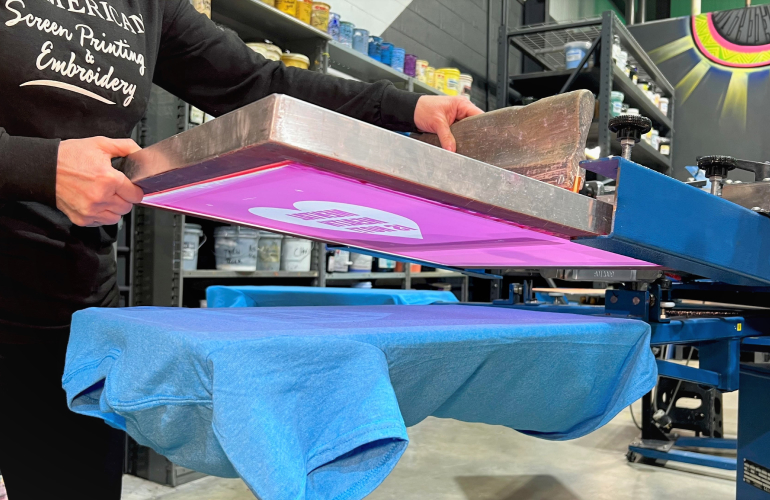
The substrate material and print area are key factors in the detailed pricing of screen printing. Printing facilities classify materials by technical difficulty based on their characteristics: printing on paper and cardstock is simple and has the lowest cost; PVC, acrylic, and common plastics are considered standard materials of moderate difficulty; metal, glass, and ceramic surfaces have poor adhesion, requiring pretreatment processes such as corona treatment and primer application before printing, which significantly increases production costs; textiles and leather goods require the use of specialized inks that comply with REACH and California Proposition 65 environmental certifications to meet wash fastness and safety compliance standards, resulting in higher overall pricing. Additionally, full-coverage, large-area printing involves significantly higher ink consumption and longer production times compared to small logo printing, which can directly double the cost per unit.
The screen printing market has a standardized system of additional charges, and all value-added services are transparent and verifiable. There is no free prototyping policy because of its customization. Standard single-color sample customization costs range from $100 to $250, while prototyping for multi-color, complex processes, or specialty inks can cost between $300 and $600. Most manufacturers offer a partial or full refund of prototyping fees after a bulk order is placed. Standard lead times for factories range from 7 to 14 business days; expedited production (jumping the queue) incurs a uniform service fee of 20% to 40%. Special processes such as glow-in-the-dark, reflective, 3D foam, and high-temperature resistance incur an additional process surcharge of $0.20 to $0.50 per piece. If a brand requires compliance reports such as environmental testing, abrasion resistance testing, or wash fastness certification, third-party testing services will be billed separately.
Overall, by 2026, the screen printing pricing system will be mature and standardized, with no hidden or arbitrary charges. The core pricing logic will consistently revolve around order volume, number of colors, process complexity, and compliance standards. High-volume, single-color, simple prints offer the best value for money, while small-batch, multi-color, specialty processes, and custom orders on irregularly shaped materials will incur significantly higher costs. When requesting quotes, you should clearly specify the number of colors in the design, the printing area, material properties, order quantity, and compliance requirements to obtain accurate and transparent screen printing quotes.
The Ultimate Guide of Screen Printing Exposure Unit
Related Article