
Screen Printing Shines in Diverse Sectors with Unique Advantages
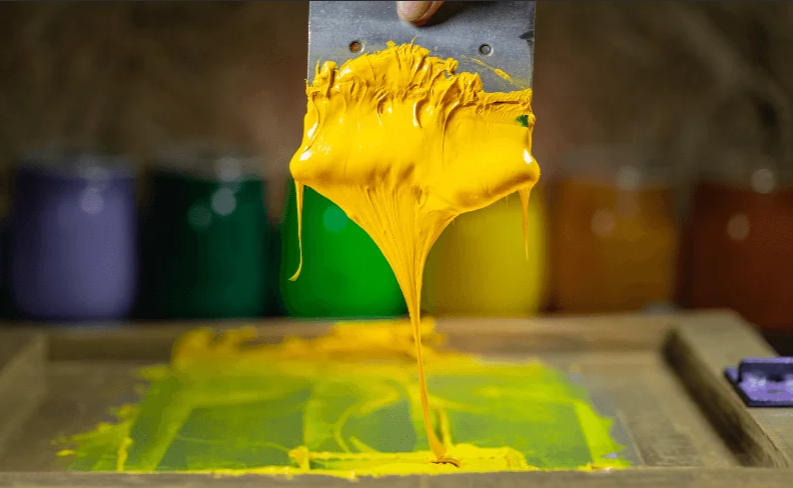
Screen Printing Shines in Diverse Sectors with Unique Advantages
Screen printing, a time-honored yet continuously evolving printing technology with a history spanning over a century, has firmly cemented its irreplaceable position across a wide array of industries by virtue of its unique process characteristics. In an era where manufacturing is increasingly leaning towards customization, high performance, and diversification, screen printing stands out with its unparalleled adaptability. From small-batch personalized customization that caters to individual consumer needs to industrial functional applications that support high-tech manufacturing, and from outdoor durable printing that endures harsh natural conditions to high-end artistic creation that pursues aesthetic perfection, its core advantages—including exceptional flexibility, superior durability, and strong expressive power—have made it a preferred choice that is hard to be substituted by other printing technologies such as digital printing or offset printing. As global industries continue to upgrade and market demands become more refined, screen printing’s value in niche and professional fields has become even more prominent. This article delves into the typical application scenarios where screen printing demonstrates its distinctive value, shedding light on how this traditional technology thrives in modern industrial and commercial ecosystems.
Industrial and functional printing is another key area where screen printing’s technical advantages shine, serving as a critical support for high-precision manufacturing industries. In electronic component marking, a field with extremely strict requirements for precision and reliability, screen printing undertakes the vital task of conductive ink printing for printed circuit boards (PCBs) and high-temperature resistant marking for electronic components such as resistors, capacitors, and sensors. These applications demand micron-level printing accuracy—with line widths as small as 20 microns in some cases—and long-term chemical stability to withstand the harsh conditions of electronic device operation, such as high temperatures and chemical corrosion. Screen printing, with its advanced mesh technology and high-precision positioning systems, can easily meet these stringent requirements, ensuring the normal operation and lifespan of electronic products. For industrial markings and warning signs, which are essential for workplace safety and equipment maintenance, mechanical panels and warning signs made of metal, plastic, or composite materials need to withstand extreme environments such as outdoor weathering, mechanical wear, and exposure to industrial chemicals. The thick ink layer formed by screen printing—typically 10 to 50 microns thick, significantly thicker than that of offset printing—provides excellent protection, while special inks such as luminous inks (for low-light environments), flame-retardant inks (for high-temperature workplaces), and anti-corrosion inks offer a robust and long-lasting solution. This ensures that the markings remain clear and legible for years, even in the harshest industrial settings, reducing the risk of accidents and maintenance costs.

Outdoor and durability-demanding scenarios fully showcase the superior performance of screen printing in resisting natural wear and tear, making it an indispensable choice for outdoor advertising and architectural decoration industries. For outdoor advertisements and signs—including light box ads, road signs, billboards, and car stickers—that are long-term exposed to the natural environment, factors such as ultraviolet (UV) radiation, heavy rain, strong winds, and temperature fluctuations pose significant challenges to printing durability. Screen printing addresses these challenges by adopting UV-curable inks or solvent-based inks, which have excellent UV resistance and water repellency. UV inks, in particular, dry quickly under UV light and form a hard, scratch-resistant film that can effectively resist fading caused by UV radiation, while solvent-based inks penetrate deeply into the substrate, ensuring strong adhesion even in humid or low-temperature environments. As a result, screen-printed outdoor advertisements and signs have a service life of 3 to 5 years, significantly longer than those printed with other technologies, reducing the frequency of replacement and maintenance costs for advertisers. In architectural glass and decoration, a field that combines aesthetics and functionality, pattern printing on glass curtain walls, partitions, and decorative glass requires high temperature resistance (to withstand the heat of glass processing) and scratch resistance (to maintain appearance in high-traffic areas). Screen printing uses ceramic inks, which are composed of inorganic materials that are compatible with glass. After high-temperature sintering at 600 to 800 degrees Celsius, the ceramic ink fuses with the glass surface, forming a permanent bond that is resistant to scratching, fading, and chemical cleaning. This not only maintains a brand-new appearance for the glass products for decades but also adds unique artistic charm to architectural spaces, making it a popular choice for high-end buildings, hotels, and commercial complexes.
Screen printing also breaks through the limitations of traditional printing in handling special materials and irregular substrates. For curved or irregular objects like wine bottles, cosmetic bottles, and balls, it achieves uniform coverage without seams or deformation through flexible screens and precise squeegee pressure. For thick plates and rigid materials such as acrylic display stands, wooden crafts, and ceramic products that require high adhesion and three-dimensional effects, the thick ink layer and embossing process of screen printing significantly enhance product texture, making the finished products more visually appealing and tactilely satisfying.
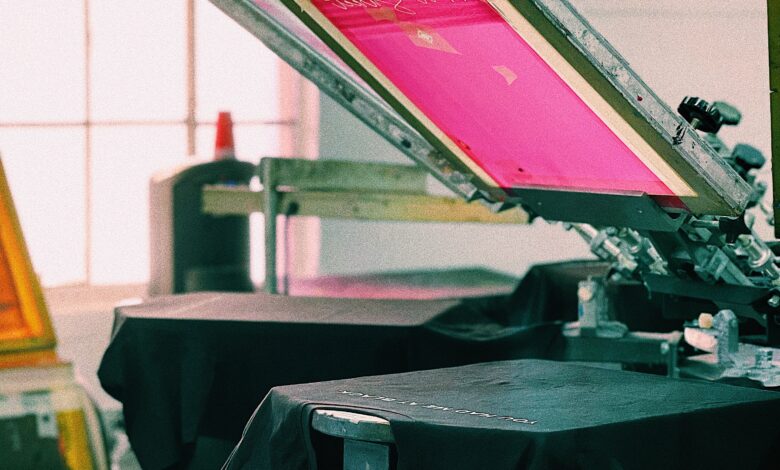
In the field of high-end packaging and art reproductions, screen printing injects luxury and artistic value into products. For luxury goods and high-end packaging such as cosmetic boxes, wine boxes, and cigarette boxes that demand high color saturation and tactile experience, screen printing uses pearlescent, metallic, and tactile inks to create a luxurious texture, elevating the product's premium image. In art prints and limited-edition reproductions, artists leverage screen printing to achieve multi-color overprinting and manual color mixing. Each work retains unique brushstrokes, boasting both profound artistic value and precious collection significance, promoting the inheritance and development of artistic creation.
Additionally, screen printing plays a crucial role in functional coatings and special effects. In anti-counterfeiting and security printing, it accurately controls pattern details for anti-counterfeiting technologies such as temperature-sensitive inks, UV invisible inks, and microtext, effectively improving product security and preventing counterfeiting. In terms of optical and tactile effects, processes like 3D three-dimensional printing, frosted texture, and partial varnish enhanced by screen printing boost product interactivity and brand recognition, helping products stand out in the competitive market.
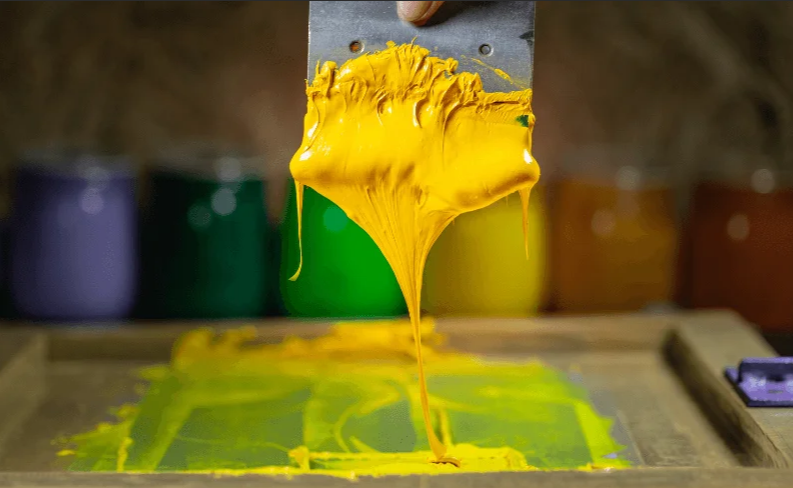
To sum up, whether it is responding quickly to small-batch orders in the personalized customization market or meeting stringent performance requirements in extreme industrial and outdoor environments, screen printing can achieve differentiated value with low cost and high efficiency. Its comprehensive advantages make it an indispensable force in multiple industries, and it will continue to play a vital role in the future with technological innovations and application expansions.
Typical Application Scenarios of Screen Printing Advantages
Happy Holidays from the Team at Enyang
Related Article


