
What is DTF Printing?
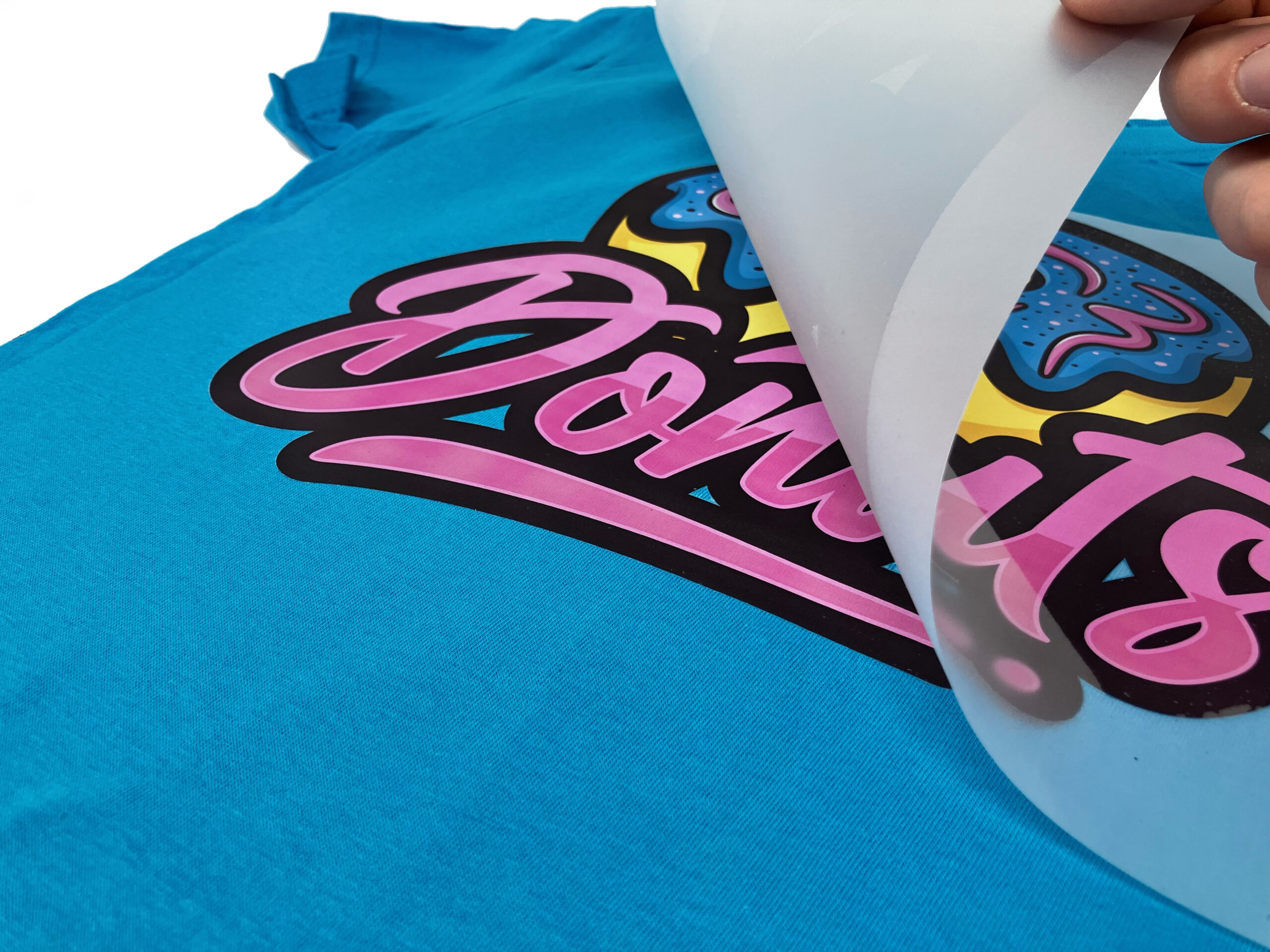
What is DTF Printing?
DTF printing, also known as direct-to-film white ink stamping printing , is a process of transferring prints to fabric or other substrates through a heat press mechanism, even with white ink that requires no pretreatment. DTF film transfer is printed using specific types of water-based inks, then dried, powdered adhesive applied to the backside, and then heat cured for storage or immediate use. Unlike traditional printing methods, DTF printing prints patterns onto special DTF films, and then transfers them onto fabrics through heating and pressing. This process doesn't require applying ink directly to fabrics, so it has higher flexibility and lower production costs.
DTF printing has a much wider range of applications and is suitable for many different types of fabric materials, such as nylon, polyester fabric, denim, silk, treated leather, as well as light and dark fabrics, of course, including cotton. It can even be applied to different types of surfaces, such as luggage, shoes, and even glass, wood, and metal.
The DTF printing process involves several steps:
- Design: Designing the pattern on the computer. Use printing software to pre-process the image to be printed and adjust its size, resolution and other parameters.
- Printing: Send the designed pattern to the DTF printer. The DTF printer will print the color ink and white ink layer on the DTF film according to the setting order. After printing, check whether the pattern is complete. If there is no ink leakage or color deviation phenomenon, we can proceed to the next step.
- Powder Application: Sprinkle hot melt adhesive powder evenly over the freshly printed pattern to ensure coverage of the pattern's white ink layer. This step can be automated by the automatic dithering function of the dithering machine.
- Curing: The DTF film is placed in a curing oven to ensure that the adhesive sticks.
- Transfer: The printed and powder coated DTF film is transferred to the fabric using a heat press. Place the finished DTF film on the fabric to be transferred, set the heat press at about 160°C and heat for 15-20 seconds.
- Completing the transfer: Tear the film from the fabric (cold or hot depending on the type of film) and the design on the DTF film is easily transferred onto the fabric! Finally, you will get a special design.

The advantages of DTF printing are as follows:
1. High resolution and bright colors: DTF printing can maintain the vividness of the color. The application effect is excellent.
2. Durable: DTF printing is durable. The fixation properties of textile pigment inks allow the ink binder to polymerize and adhere firmly to the fabric for enhanced rubbing and washing properties.
3. Suitable for a wide range of fabrics: Whether it is soft (cotton and linen) or hard (denim, leather) fabrics, DTF printing can be applied.
4. Cost-effective: the initial setup costs are quite inexpensive compared to conventional printing. Profits are relatively high due to cheap installation and operating costs.
5. Suitable for personalized customization of all sizes: Whether it is small batch customization or mass production, DTF printing can meet the demand.
6. Sustainability: DTF printing is an environmentally friendly technology because of its lightweight setup, minimal waste, and reduction of water in reprocessing.
Compared with traditional printing techniques, DTF printing offers greater flexibility and requires less space. DTF printers integrate printing, powder shaking and baking, which are environmentally friendly and have high printing speeds and very stable quality. Due to the increasing number of printing applications, DTF printing is rapidly becoming one of the most popular methods for printing T-shirts and clothing.
Demand for DTF printing is growing due to low cost, ease of operation and excellent fabric compatibility. In the future, DTF printing will gain a larger market in customized apparel, shoes and hats, home furnishings and other fields.
Overall, DTF printing technology will develop in the direction of high precision, environmental protection, intelligence, personalization and automation. Its application scenarios and market space will continue to expand. This will not only provide more business opportunities for small and medium-sized enterprises to creative brands, but also bring more diversified choices for consumers.
How to Improve Screen Printing Accuracy
The Innovative Application of Screen Printing and UV Technology
Related Article


