
DTF Ink: The Future of Digital Printing Technology
2023-12-28
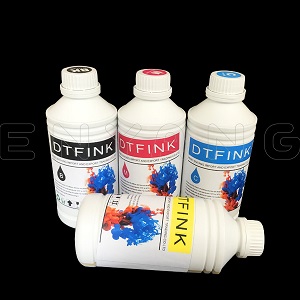
How does dtf ink work?
DTF (Direct-to-Film) ink has been steadily gaining popularity among print enthusiasts and professionals alike. DTF print, DTF ink, DTF film roll Its benefits are numerous: it offers high-quality prints, enables printing on a range of surfaces, and is much easier to work with than traditional methods. DTF ink is ideal for printing on everything from t-shirts printing to phone printing cases, stickers printing to coffee mugs printing. Unlike other printing technologies, DTF transfers ink printing directly to T-shirt surface, resulting in vivid colors that are hard to scratch or peel. Additionally, DTF ink requires no special equipment or pre-treatments, making it a cost-effective and efficient choice. Because dtf ink has many applications and benefits, it's clear that DTF ink is the future of printing technology.
The following video tell you how to print.
DTF printing is a new printing technique that uses a specialized printer to transfer ink onto a special transfer film. DTF film is then applied to a substrate and dtf ink is cured using heat. This method allows for printing on a wide range of substrates, including textiles, ceramics, and even wood. DTF printing is gaining popularity due to its high-quality results, fast production time, and ease of use. By bypassing the need for pre-treatment and requiring less steps, DTF printing has become a popular choice for people in the printing industry. With DTF printing ability to print high quality images that are durable and long-lasting, DTF printing is poised to remain a popular option for years to come.
How to choose screen printing mesh size?
All You Need to Know About the DTF Film Description for Optimal Viewing Pleasure
Related Article
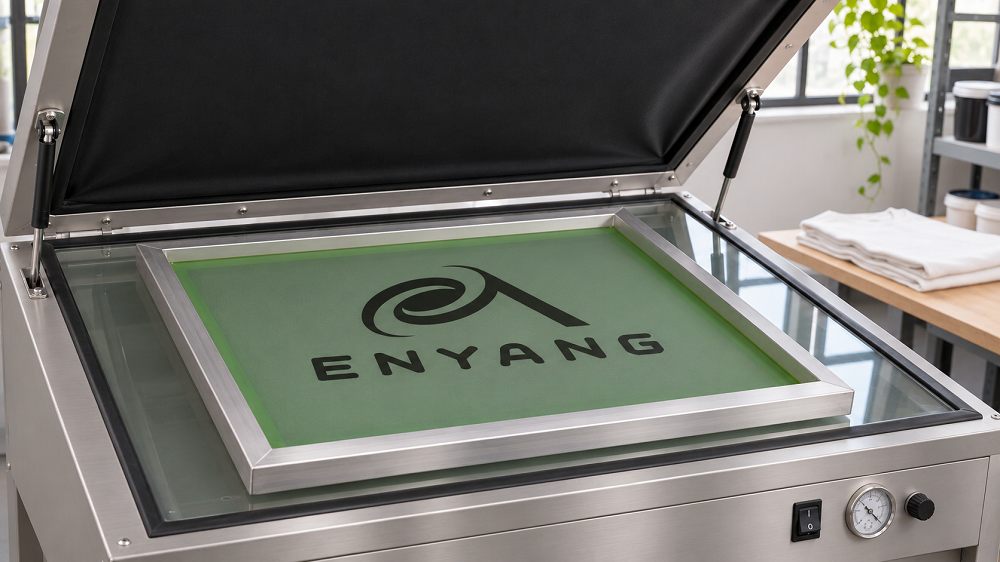
Start with a one-color design, a screen sized for the artwork, and a spare shirt for test prints. The first print gives you a chance to check placement, edge sharpness, and ink coverage before you load the rest of the batch. Most of those results depend on decisions made before the squeegee touches the fabric.
How to Screen Print T-Shirts in Small Batches

A screen can look clean and still have fingerprints, dust, or residue from the last reclaim. These contaminants can make photo emulsion coat unevenly and contribute to pinholes, weak spots, or missing fine detail after washout. Degreasing removes contamination before you coat the mesh, when it’s still easy to fix.
How to Degrease a Screen for Screen Printing

Start with a single-color chest graphic and a flat area of the hoodie, away from seams and pockets. With a simple design, you can tell whether your screen is ready by looking at three things: the image areas wash out cleanly, a test print transfers the whole design, and the ink cures according to its instructions.
How to Screen Print a Hoodie in One Color
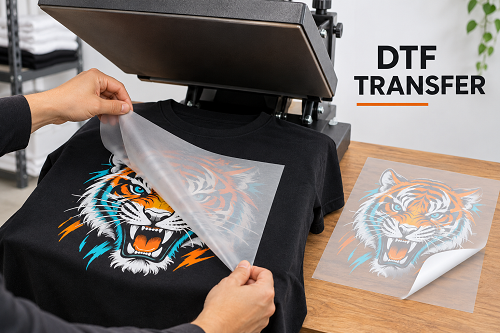
A DTF transfer can look fine when it comes off the heat press and still lift or crack in the wash. If the edges peel, start by checking heat, time, and pressure at the point where the print lifted. If the print cracks while the edges stay down, check how the design stretches with the garment and review how it was washed and dried.
Why Do DTF Transfers Peel or Crack After Washing?