
What Is Digital Fabric Printing?
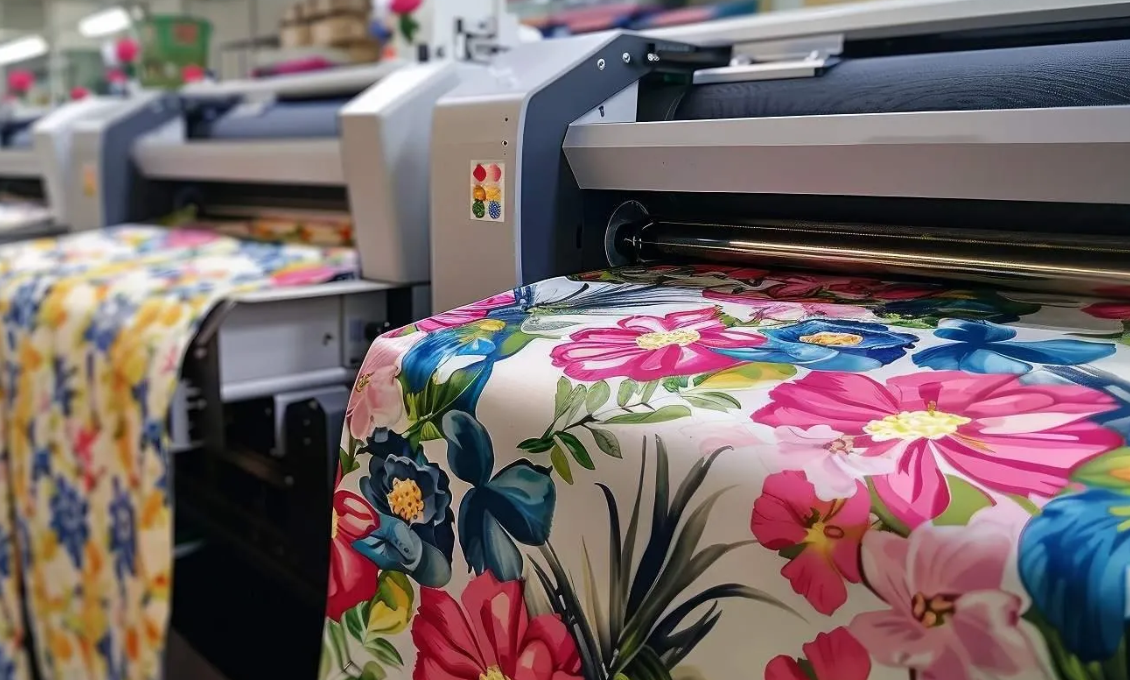
What Is Digital Fabric Printing?
A Complete Guide to Modern Textile Printing Technology
The textile industry has experienced remarkable technological advancements over the past few decades. Among these innovations, digital fabric printing has emerged as one of the most transformative developments, revolutionizing the way patterns, colors, and designs are transferred onto textiles.
Compared with traditional textile printing methods such as screen printing, engraved roller printing, and woodblock printing, digital fabric printing offers unprecedented flexibility, precision, and efficiency. It allows designers, manufacturers, and brands to create highly detailed, full-color designs with virtually unlimited creative possibilities.
Whether you are producing fashion garments, home décor fabrics, sportswear, promotional textiles, or custom interior products, understanding digital textile printing can help you choose the most suitable production method for your project.
What Is Digital Fabric Printing?
Digital fabric printing, also known as digital textile printing, is a process that uses digital technology to print designs directly onto fabric surfaces.
In simple terms, digital files containing artwork, photographs, patterns, logos, or illustrations are transferred from a computer directly to a textile printing machine. Specialized textile inks are then precisely applied onto the fabric using advanced inkjet printing technology.
The process is similar to how a desktop inkjet printer prints documents onto paper, but on a much larger and more sophisticated scale.
Because the design is stored digitally, there is no need for screens, plates, or rollers. This allows manufacturers to print complex designs quickly while maintaining exceptional color accuracy and image resolution.

How Does Digital Fabric Printing Work?
The digital printing process typically involves several stages:
Step 1: Design Creation
The process begins with creating a digital artwork file.
Designs may originate from:
• Hand-painted illustrations
• Photography
• Graphic design software
• CAD textile design systems
• AI-generated artwork
Many textile designers start by creating original artwork on paper before scanning and editing it using professional software such as Adobe Photoshop or Illustrator.
The digital file is then prepared according to fabric specifications, color profiles, and print dimensions.
Step 2: Fabric Preparation
Before printing, fabrics often undergo a pre-treatment process.
The preparation depends on the fiber type:
| Fabric Type | Common Pretreatment |
|---|---|
| Cotton | Reactive coating |
| Linen | Absorbency treatment |
| Silk | Dye fixation coating |
| Polyester | Heat-resistant coating |
| Nylon | Ink adhesion treatment |
Proper fabric preparation helps improve color vibrancy, ink penetration, and wash durability.
Step 3: Digital Printing
Once the fabric is prepared, the digital file is sent to a large-format textile printer.
The printer deposits microscopic droplets of ink directly onto the fabric surface according to the digital design.
Modern digital textile printers can reproduce:
- Millions of colors
- Fine gradients
- Photographic images
- Intricate textures
- Detailed line work
This level of precision is difficult or impossible to achieve using many traditional printing methods.
Step 4: Fixation and Finishing
After printing, the fabric undergoes post-treatment processes such as:
• Steaming
• Heat curing
• Washing
• Drying
• Quality inspection
These finishing processes permanently fix the inks into the fabric fibers and ensure excellent color fastness.
When properly processed, digitally printed fabrics can withstand repeated washing and everyday wear while maintaining their appearance.
The Two Main Types of Digital Fabric Printing
Different fabrics require different printing technologies.
The two most widely used methods are Dye Sublimation Printing and Direct-to-Fabric Printing.
Dye Sublimation Printing
Dye sublimation printing is a heat-transfer process primarily used for polyester fabrics.
During printing, special sublimation dyes are first printed onto transfer paper.
The printed paper is then pressed against polyester fabric using high temperature and pressure.
The dye converts into gas and penetrates directly into the polyester fibers.
Advantages of Dye Sublimation Printing
- Extremely vibrant colors
- Excellent wash resistance
- No cracking or peeling
- High production speed
- Ideal for sportswear and activewear
Common Applications
- Sports uniforms
- Cycling apparel
- Flags and banners
- Soft signage
- Trade show displays
- Promotional textiles
Because the dye becomes part of the fiber structure, sublimation prints remain soft and breathable.
Direct-to-Fabric Printing (DTF Textile Printing)
Direct-to-fabric printing involves applying textile inks directly onto fabric surfaces using industrial inkjet technology.
Unlike sublimation, this method works exceptionally well on natural fibers.
Suitable Fabrics
- Cotton
- Linen
- Silk
- Rayon
- Bamboo fabrics
- Blended textiles
Advantages
- High-detail printing
- Photographic quality output
- Soft hand feel
- Excellent color depth
- Suitable for luxury textiles
Direct-to-fabric printing is commonly used in premium fashion, home furnishings, and designer collections.

Advantages of Digital Textile Printing
The popularity of digital fabric printing continues to grow because it offers several advantages over conventional printing technologies.
Unlimited Design Freedom
Traditional screen printing requires separate screens for each color.
Digital printing eliminates this limitation.
Designers can create:
- Complex illustrations
- Watercolor effects
- Gradient backgrounds
- High-resolution photographs
- Multi-color patterns
without additional setup costs.
Faster Production Times
Because no screens or rollers need to be manufactured, digital printing significantly reduces setup time.
This enables:
- Rapid sampling
- Faster product development
- Short production runs
- On-demand manufacturing
For fashion brands launching seasonal collections, speed-to-market can be a significant competitive advantage.
Cost-Effective for Small Orders
Screen printing becomes economical only at high production volumes.
Digital printing is ideal for:
- Prototype development
- Sample production
- Small batch manufacturing
- Customized products
Businesses can order exactly the amount of fabric they need.
Superior Color Accuracy
Modern digital printers use advanced color management systems.
This ensures:
- Consistent color reproduction
- Accurate brand colors
- Smooth gradients
- High image resolution
This level of control is especially important for fashion brands and interior designers.
Sustainability Benefits of Digital Fabric Printing
Sustainability has become a major concern throughout the textile industry.
Digital textile printing offers several environmental advantages.
Significant Water Savings
Traditional textile printing often consumes thousands of liters of water during production.
Digital printing uses dramatically less water because:
- No screens need washing
- Minimal dye waste
- Reduced cleaning processes
Studies show digital textile printing can reduce water consumption by more than 80% compared with conventional methods.
Reduced Chemical Usage
Many digital printing systems use water-based inks that contain fewer harmful substances than traditional dyeing processes.
This reduces environmental impact while improving workplace safety.
Less Material Waste
Since fabric can be printed on demand:
- Overstock is minimized
- Excess inventory is reduced
- Short production runs become viable
This supports a more sustainable manufacturing model.
Industries That Use Digital Fabric Printing
Digital textile printing serves a wide range of industries.
Fashion and Apparel
The fashion industry is one of the largest users of digital printing technology.
Applications include:
- Dresses
- Shirts
- Scarves
- Activewear
- Swimwear
- Designer collections
Home Furnishings
Custom interior textiles often rely on digital printing.
Products include:
- Curtains
- Upholstery fabrics
- Cushion covers
- Bedding
- Table linens
Sportswear
Sublimation printing dominates the sportswear market because of its durability and vibrant color output.
Advertising and Signage
Large-format textile graphics are widely used for:
- Exhibition displays
- Event backdrops
- Retail branding
- Promotional banners
Custom Manufacturing
Many brands now offer personalized fabric products made possible by digital printing technology.
Digital Printing vs Traditional Screen Printing
| Feature | Digital Printing | Screen Printing |
| Setup Cost | Low | High |
| Small Orders | Excellent | Expensive |
| Color Range | Unlimited | Limited |
| Production Speed | Fast | Fast for large runs |
| Customization | Excellent | Limited |
| Waste Generation | Low | Higher |
| Photographic Images | Excellent | Difficult |
For highly customized or short-run projects, digital printing is often the preferred choice.
How to Choose the Right Digital Fabric Printing Method
Selecting the correct printing technology depends on several factors.
Consider:
Fabric Type
Polyester → Dye Sublimation
Cotton/Linen/Silk → Direct-to-Fabric
Order Quantity
Small batches → Digital Printing
Large-volume standard designs → Screen Printing may remain cost-effective.
Application Requirements
Outdoor signage → Sublimation
Luxury apparel → Direct-to-Fabric
Sportswear → Sublimation
Home textiles → Direct-to-Fabric
The Future of Digital Textile Printing
As printer technology continues to evolve, digital textile printing is becoming faster, more affordable, and more sustainable.
Future developments are expected to include:
- Higher printing speeds
- Improved eco-friendly inks
- Enhanced color gamuts
- AI-assisted textile design
- Fully automated production systems
These innovations will continue to drive adoption across global textile markets.
Frequently Asked Questions
Is digital fabric printing durable?
Yes. When properly processed, digitally printed fabrics offer excellent wash fastness and long-term durability.
Which fabrics can be digitally printed?
Cotton, polyester, linen, silk, nylon, rayon, bamboo fabrics, and many textile blends can all be digitally printed.
Is digital printing environmentally friendly?
Compared with traditional textile printing methods, digital printing generally uses less water, fewer chemicals, and produces less waste.
What is the difference between sublimation and direct-to-fabric printing?
Sublimation works best on polyester and transfers dye into the fibers using heat, while direct-to-fabric printing applies inks directly onto natural or blended fabrics.
Is digital printing suitable for custom fabric production?
Absolutely. Digital printing is one of the most effective methods for custom fabric manufacturing because it supports short runs and personalized designs.
Conclusion
Digital fabric printing has fundamentally changed the textile industry by combining creativity, efficiency, and sustainability. Whether using dye sublimation for polyester sportswear or direct-to-fabric technology for cotton and luxury textiles, digital printing enables manufacturers and designers to produce vibrant, high-quality fabrics with remarkable flexibility.
As environmental regulations tighten and consumer demand for customization continues to grow, digital textile printing is expected to become an increasingly important part of modern fabric production. For businesses seeking innovative, cost-effective, and sustainable textile solutions, digital fabric printing represents the future of fabric decoration and manufacturing.
How to Use a Screen Printing Machine
Solar Squeegee: The Essential Tool for High-Precision Solar Cell Screen Printing
Related Article


