
What is nano tape used for?
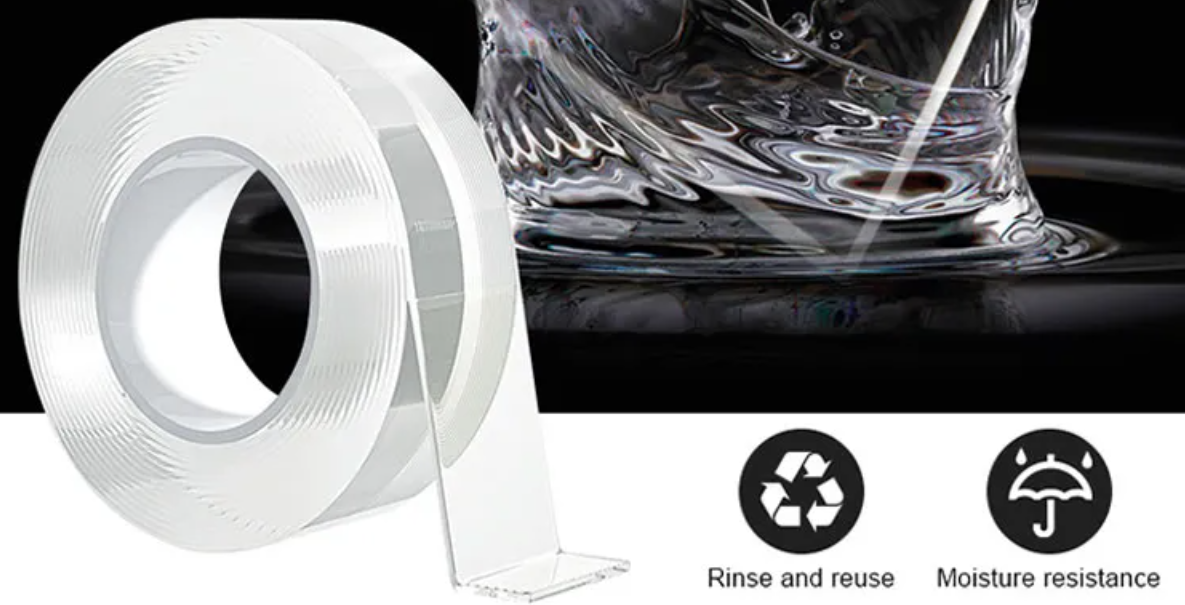
What is nano tape used for?
Why More Businesses Are Replacing Traditional Adhesives with Nano Tape
For decades, businesses have relied on conventional adhesive tapes, glue products, mounting strips, and mechanical fasteners to secure displays, organize equipment, install devices, and perform temporary repairs. However, many companies continue to face the same recurring problems:
• Adhesives lose their effectiveness after only a few uses.
• Sticky residue damages walls, furniture, machinery, and display surfaces.
• Installation and removal require excessive labor time.
• Traditional tapes often fail when exposed to vibration, temperature fluctuations, or repeated repositioning.
For retail stores, manufacturers, offices, automotive workshops, healthcare facilities, and event organizers, these limitations translate directly into higher operational costs.
Nano tape has emerged as a practical alternative that addresses many of these challenges. Unlike ordinary adhesive products, nano tape utilizes advanced micro-suction technology that creates a strong hold without relying solely on chemical adhesives.
Businesses adopting nano tape often benefit from:
• More than 100 reuse cycles
• Residue-free removal
• Strong holding performance
• Faster installation times
• Lower long-term adhesive costs
As organizations seek efficient and sustainable mounting solutions, nano tape is rapidly becoming one of the most versatile tools available across multiple industries.
What Is Nano Tape?
Nano tape is a transparent, washable, reusable double-sided mounting tape engineered with microscopic suction structures that allow it to adhere firmly to many smooth surfaces.
Unlike traditional tapes that depend on sticky glue compounds, nano tape creates a physical bond using millions of tiny suction points that interact with surfaces at a microscopic level.
This technology enables the tape to maintain strong adhesion while remaining removable and reusable.
Because no permanent chemical bonding occurs, nano tape can usually be removed without leaving behind residue, discoloration, or surface damage.
The material is commonly manufactured from high-quality acrylic gel or polyurethane-based compounds that provide flexibility, durability, and long service life.
The Science Behind Nano Tape Technology
How Micro-Suction Works
The effectiveness of nano tape comes from its highly engineered surface structure.
Each side of the tape contains microscopic suction cavities that increase the total contact area between the tape and the mounting surface.
When pressure is applied:
• Air is displaced from the contact area
• Microscopic vacuum zones are created
• Intermolecular attraction occurs
• The tape develops significant holding power
This combination of mechanical grip and molecular attraction allows nano tape to hold objects securely while remaining removable.
The Role of Van der Waals Forces
One of the key scientific principles involved is the Van der Waals force.
These are weak intermolecular attractions that naturally occur when two surfaces come into extremely close contact.
Although each individual force is small, millions of contact points working together create impressive overall holding strength.
This principle is often compared to the way geckos can climb walls without using glue.

Nano Tape vs Traditional Tape
The difference between nano tape and conventional adhesive products becomes obvious when evaluating performance over time.
| Property | Nano Tape | Traditional Tape |
|---|---|---|
| Reusability | 100+ Uses | 2-3 Uses |
| Residue After Removal | None | Common |
| Surface Damage Risk | Very Low | Moderate to High |
| Weight Capacity | Up to 15 lbs/ft² | Around 5 lbs/ft² |
| Temperature Resistance | -40°F to 200°F | 32°F to 150°F |
| Long-Term Cost Efficiency | Excellent | Limited |
While the initial purchase price of nano tape is often higher, its ability to be reused repeatedly frequently results in a substantially lower total cost of ownership.
Seven High-Impact Commercial Applications of Nano Tape
1. Retail Displays and Visual Merchandising
Retail environments require constant updates to promotions, signage, product displays, and seasonal campaigns.
Nano tape enables retailers to:
• Install signs without damaging walls
• Mount promotional materials quickly
• Reposition displays multiple times
• Reduce replacement costs
Because displays can be changed without repainting or repairs, many retailers find significant savings in maintenance expenses.
2. Office Organization and Workspace Optimization
Modern workplaces prioritize efficiency and clean aesthetics.
Nano tape is widely used for:
• Cable management systems
• Monitor mounting solutions
• Whiteboard installation
• Desk organization
• Wireless device placement
By eliminating clutter and minimizing drilling requirements, offices can improve both functionality and appearance.
3. Automotive Applications
Vehicle owners and repair technicians frequently need temporary mounting solutions that can withstand vibration and movement.
Common uses include:
• GPS mounting
• Phone holders
• Dashboard accessories
• Interior cable routing
• Emergency repair situations
Nano tape maintains adhesion even under challenging road conditions where ordinary tapes may fail.
4. Healthcare and Medical Environments
Hospitals, clinics, and laboratories often require removable mounting systems that do not contaminate surfaces.
Applications include:
• Temporary monitor placement
• Equipment organization
• Tool storage systems
• Cable management
• Medical workstation setup
Because nano tape leaves no residue, it helps simplify cleaning and sanitation procedures.
5. Smart Home and Consumer Electronics Installation
The growth of smart technology has increased demand for non-permanent mounting solutions.
Nano tape can secure:
• Smart speakers
• Wi-Fi routers
• Doorbell cameras
• Security sensors
• LED lighting systems
Unlike screws and brackets, nano tape allows installers to experiment with placement before committing to permanent installations.
6. Industrial Manufacturing Facilities
Manufacturing environments often require temporary positioning and organizational systems.
Factories use nano tape for:
• Tool organization
• Safety signage
• Production line labeling
• Temporary fixture mounting
• Equipment identification systems
The ability to relocate materials without damaging machinery makes nano tape particularly valuable in lean manufacturing environments.
7. Trade Shows, Exhibitions, and Commercial Events
Exhibitors constantly seek ways to reduce booth setup time while maintaining professional presentation quality.
Nano tape supports:
• Exhibition graphics
• Product displays
• Temporary lighting
• Marketing materials
• Interactive demonstrations
Many event professionals report faster installation and dismantling processes when compared with conventional mounting methods.
How to Use Nano Tape Correctly
Proper application is essential for achieving maximum performance.
Step 1: Prepare the Surface
Before applying the tape:
• Remove dust
• Eliminate grease
• Clean with isopropyl alcohol
• Allow the surface to dry completely
Surface contamination significantly reduces adhesion strength.
Step 2: Cut to the Required Length
Use sharp scissors or a utility knife to create clean edges.
Avoid stretching the tape during cutting.
Step 3: Apply Firm Pressure
Press the tape firmly onto the surface for approximately 30 seconds.
Consistent pressure helps eliminate trapped air and maximize contact.
Step 4: Mount the Object
Once the tape is positioned, carefully attach the item and apply steady pressure.
Allow the bond to stabilize before testing load capacity.
Step 5: Remove Carefully
When removing nano tape:
• Pull slowly
• Maintain a 45-degree angle
• Avoid sudden force
Proper removal minimizes stress on both the tape and the surface.
Step 6: Restore for Reuse
If the tape becomes dirty:
• Rinse with clean water
• Allow to air dry naturally
• Avoid wiping with towels
Once dry, the tape generally regains much of its original adhesion capability.
Performance Optimization Tips
To maximize service life and holding strength:
• Use on smooth, non-porous surfaces
• Avoid dusty or textured walls
• Warm slightly before application in cold conditions
• Store between 40°F and 80°F
• Protect from direct contamination
Many users report noticeably stronger performance when the tape is applied at room temperature.

Cost Analysis: Is Nano Tape Worth It?
Many procurement managers initially focus on purchase price.
However, evaluating adhesive products solely by upfront cost often leads to misleading conclusions.
Consider the following comparison:
| Metric | Traditional Tape | Nano Tape |
|---|---|---|
| Cost per Foot | $0.15 | $0.45 |
| Average Uses | 3 | 100 |
| Cost per Use | $0.05 | $0.0045 |
| Installation Labor | High | Lower |
| Surface Repair Costs | Common | Minimal |
Although nano tape costs approximately three times more per foot, its reusable nature dramatically reduces the actual cost per application.
For organizations conducting hundreds or thousands of installations annually, the savings can be substantial.
Environmental and Sustainability Benefits
Many organizations are adopting sustainability initiatives that require reductions in waste generation.
Because nano tape can be reused repeatedly, it helps:
• Reduce adhesive waste
• Lower packaging consumption
• Decrease disposal frequency
• Minimize replacement purchases
These advantages align with ESG objectives increasingly prioritized by global companies.
Frequently Asked Questions
How long does nano tape last?
Under normal commercial conditions, quality nano tape can remain functional for two to three years and may be reused more than 100 times.
Can nano tape hold heavy objects?
Yes. Depending on the product specification, nano tape can support up to 15 pounds per square foot when applied correctly on suitable surfaces.
Does nano tape leave residue?
High-quality nano tape is designed to be residue-free when removed properly from compatible surfaces.
Can nano tape be washed?
Yes. Washing with water removes dust and restores much of the tape's adhesive performance.
Is nano tape waterproof?
Most premium nano tapes exhibit strong water resistance and can perform in humid environments, although continuous submersion is generally not recommended.
Does nano tape work on painted walls?
Results vary depending on paint quality, wall texture, and environmental conditions. Smooth, fully cured paint surfaces generally provide the best performance.
Why Businesses Are Investing in Nano Tape
As companies seek ways to reduce maintenance costs, improve operational efficiency, and eliminate surface damage caused by conventional adhesives, nano tape has become a practical solution across numerous industries.
Its combination of reusability, strong holding power, residue-free removal, and broad application versatility offers significant advantages over traditional tapes.
For retailers, manufacturers, offices, healthcare facilities, installers, and event professionals, nano tape delivers measurable benefits that extend beyond convenience. Lower labor requirements, reduced replacement frequency, and improved installation flexibility contribute to a stronger long-term return on investment.
Organizations focused on efficiency, sustainability, and cost reduction are increasingly recognizing nano tape as more than just an adhesive product—it is a smarter mounting solution designed for modern business operations.
What Are Differential Adhesive Tapes Use For?
A New Office, A New Chapter, A Stronger Commitment
Related Article


