
How to Remove Screen Printing from Fabric Safely and Effectively

How to Remove Screen Printing from Fabric Safely and Effectively
Screen printing is a popular and reliable technique for adding custom designs, logos, and artwork to fabric and many other materials. However, there are situations where the printed design may need to be removed. You may want to reuse an old garment, correct a printing mistake, or replace an outdated logo with a new design.
If you are wondering how to remove screen printing from fabric, the right method depends on the type of fabric, the ink used, and the size of the printed area. Some techniques work well on cotton, while others are safer for polyester, nylon, denim, or blended fabrics. In this guide, we will explain several practical methods for screen print removal and share important safety tips to help reduce the risk of fabric damage.

Different Methods for Removing Screen Printing from Fabric
Screen printing is widely used because it creates durable, vibrant, and long-lasting designs on T-shirts, hoodies, tote bags, uniforms, and other textile products. Many apparel brands and custom printing companies use this technique because it is cost-effective, versatile, and suitable for both small and large production runs.
However, once the ink has bonded to the fabric, removing it can be challenging. The best removal method depends on several factors, including the garment material, the age of the print, the ink thickness, and the size of the design. A small logo on cotton may be easier to remove than a large, heavily cured print on synthetic fabric.
Before trying any screen print removal method, always test the solution on a hidden part of the garment. This helps you check whether the fabric will fade, weaken, stain, or react badly to chemicals or heat.
Acetone or Nail Polish Remover
Acetone is one of the most common solutions used to remove screen printing from fabric. It is a strong solvent that can help break down old, cracked, or weakened ink. Nail polish remover containing acetone may also work, although pure acetone is usually stronger.
This method is generally more suitable for cotton, denim, and some durable natural fabrics. It should be used carefully because acetone may discolor delicate fabrics or damage synthetic materials. Before applying it to the visible print area, test it on a small hidden section of the garment.
If the screen print is fresh, rinsing the fabric with cold water first may help loosen part of the ink before using acetone.
How to Remove Screen Printing with Acetone
Pour a small amount of acetone or acetone-based nail polish remover onto a cotton ball, pad, or soft cloth.
Gently dab the solution onto the screen-printed area. Avoid harsh rubbing at the beginning, as this may spread the ink or push it deeper into the fabric.
Allow the acetone to sit for a few minutes so it can soften and break down the ink layer.
Use a soft cloth to rub the print gently in circular motions. Continue for several minutes, applying steady but controlled pressure.
Depending on the ink type, print thickness, and fabric structure, you may need to repeat the process several times.
After the ink begins to lift, wash the garment with mild detergent to remove solvent residue.
Inspect the fabric after washing. If traces of ink remain, repeat the process carefully.
Once the design is fully removed, wash the garment again to make sure no acetone remains in the fibers.
This method can also be used to remove small printed logos from garments. However, the area where the logo was removed may not always return to its original appearance. Some shadowing, fading, or texture differences may remain, especially if the print was old or deeply bonded to the fabric.
How to Remove Screen Printing from Polyester
Polyester is a synthetic fabric, so it reacts differently from cotton or denim. Strong chemical solvents such as acetone may damage polyester fibers, cause discoloration, or affect the fabric surface. For this reason, a milder method is usually safer.
A simple option is to use warm water, dish detergent, and a stiff brush. This method works by gradually loosening and scrubbing away the ink instead of dissolving it with harsh chemicals.
To try this method, dampen the printed area with warm water and apply a small amount of dish detergent directly to the design. Use a stiff brush to scrub the print carefully until the ink begins to loosen or flake away. Work slowly to avoid damaging the surface of the fabric.
If the ink does not come off easily, do not force the process too aggressively. Polyester can be sensitive to friction, and excessive scrubbing may leave marks or weaken the fabric. In that case, you may need to test another method or consider covering the original design with a new print.
Iron and Paper Bag Method
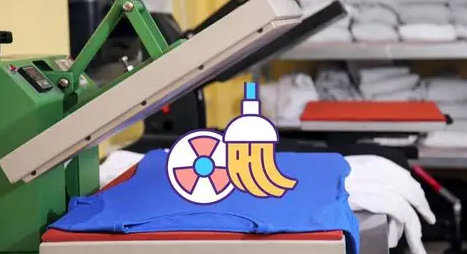
For delicate cotton garments, the iron and paper bag method may help lift screen printing by transferring softened ink onto paper. This technique uses controlled heat to loosen the print and make it easier to remove.
Although heat usually makes screen printing harder to remove because it can further cure the ink, this specific method uses heat in a targeted way to soften the design and transfer some of it onto kraft paper.
How to Use the Iron and Paper Bag Method
Set the iron to a low temperature that is appropriate for cotton fabric.
Place a kraft paper bag or brown paper over the screen-printed design.
Press the iron over the paper and move it back and forth several times.
Keep the garment flat on the ironing board while the print begins to soften.
Remove the iron and paper carefully.
Use a plastic scraper, toothpick, or another non-abrasive tool to lift away any remaining ink.
Do not use steam during this process. Moisture can interfere with the transfer and may make the fabric harder to work with. Also, avoid using high heat, as it may scorch the garment or make the ink bond more strongly to the fabric.
Spot Removal Fluid and Spot Cleaning Guns
Spot removal fluid is another method used for removing screen printing from fabric, especially in professional garment printing environments. Spot cleaning guns are designed to apply cleaning fluid with pressure, helping break down ink in a controlled area.
Some spot cleaning guns operate with an air compressor, while others work more like pressure spray tools. The cleaning fluid and pressure work together to dissolve or loosen the ink from the fabric.
This method requires precision. If the fluid spreads beyond the printed design, it may affect the surrounding plain fabric. For this reason, the gun should be aimed directly at the printed area.
Place an old towel underneath the printed section before starting. This helps absorb loosened ink and excess cleaning fluid as it passes through the fabric.
After applying the fluid and removing the design, wash the garment thoroughly to remove chemical residue. This step is important because leftover solvent may irritate skin, weaken fibers, or leave an unpleasant odor.
Plastisol Ink Remover
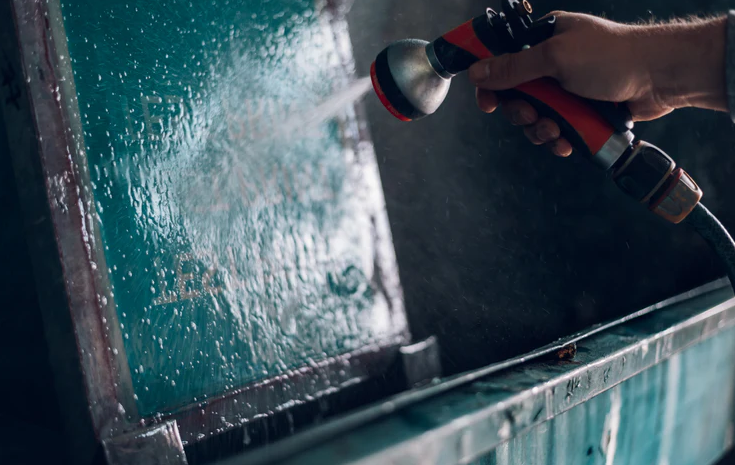
Plastisol ink is one of the most commonly used inks in screen printing. It is popular because it produces bright, durable, and flexible prints on garments. However, because plastisol ink is designed to bond firmly to fabric, it often requires a specialized remover.
A plastisol ink remover or professional-grade ink remover can help break down this type of print more effectively than ordinary household products. These removers are strong, so they must be handled with care.
Always wear protective gloves and work in a well-ventilated area. Avoid direct contact with skin and keep the remover away from your eyes, mouth, and open flames.
How to Use Plastisol Remover
Soak a clean cloth with plastisol remover.
Apply it to the printed design and allow it to sit for about 30 minutes.
Use a soft brush to remove any loosened or flaking ink.
Wipe away the remaining ink with a clean soft cloth.
Wash the garment in a washing machine with detergent to remove leftover chemicals.
This method is especially useful when dealing with thick, rubbery, or professionally cured prints. However, it should still be tested on a hidden fabric area before full application.
Removing Screen Printing with a Sugar Scrub
A sugar scrub is a gentler method for removing screen printing, especially when the design is new or not fully cured. It may not be powerful enough for older or heavily bonded prints, but it can help loosen fresh ink without relying on harsh chemicals.
This method uses mild abrasion. The sugar particles help rub away the surface of the design while water softens the printed area.
How to Use a Sugar Scrub
Rinse the fabric with cold water.
Apply about one tablespoon of sugar scrub to the printed area.
Use a damp cloth to rub the design in circular motions.
Continue gently until the ink starts to lift.
Rinse the fabric and check the result.
If needed, repeat the process.
This method is safer for many fabrics than strong solvents, but it may still cause surface wear if you scrub too hard. Use gentle pressure and check the fabric regularly.
How to Remove Screen Printing from a Shirt
The methods above can all be used for shirts, but the best option depends on the shirt material and the type of print. Before removing screen printing from a shirt, check the fabric label and identify whether it is cotton, polyester, nylon, denim, or a blended fabric.
For cotton shirts, acetone or the iron and paper bag method may be effective. For polyester shirts, dish detergent and brushing may be safer. For jerseys, nail polish remover may help remove heat-set vinyl lettering or some printed logos, but it should be tested first.
If you are removing screen printing from a hoodie, acetone may work on cotton-rich fabrics, while more delicate or synthetic hoodies may require a milder approach. Thick hoodie fabric can absorb more solvent, so washing thoroughly afterward is especially important.
Techniques for Different Fabric Types
Cotton and Cotton-Polyester Blends
Some garments are made from 100% cotton, while others contain a blend of cotton and polyester. Cotton is usually more tolerant of certain removal methods, while polyester requires more caution.
If the shirt is made mostly from cotton, the iron and paper bag method may help soften and lift the print. Acetone may also be effective, but only after testing the fabric.
If the garment contains more than 50% polyester, dish detergent and a stiff brush may be a safer first choice. Avoid strong solvents unless you are certain they will not damage the fabric.
Nylon
Nylon is another synthetic fabric that should be handled carefully. Harsh chemicals and high heat can damage the material, so gentler methods are recommended.
One option is to use WD-40. Spray a small amount directly onto the printed design and let it sit for a few minutes. Then use an old towel to rub the area. In some cases, the design may begin to dissolve or loosen, allowing the towel to wipe away the residue.
Afterward, wash the garment thoroughly to remove any oil-based residue from the fabric.
Denim
Denim is generally more durable than many other fabrics, which means it can tolerate stronger handling. To remove screen printing from denim, you can first soak the garment in a cold wash and then run it through a hot dryer cycle. This may help weaken the printed design.
After drying, try peeling away the old print. If it does not come off completely, you can try acetone, rubbing alcohol, or another method described above, depending on the condition of the denim and the ink.
Because denim is thick and textured, some ink may remain in the fibers even after removal.
Additional Screen Printing Removal Techniques
There are several other methods that may help remove screen printing from fabric. The effectiveness of each method depends on the ink, fabric, and age of the print.
Alcohol or Isopropyl Alcohol
Rubbing alcohol can help loosen some types of screen printing ink. Dampen a cloth or cotton ball with alcohol and gently rub the printed area in circular motions. Once the ink begins to lift, wash the garment to remove residue.
This method is less aggressive than acetone but may still affect some dyes or delicate fabrics.
Heat Gun or Hair Dryer
A heat gun or hair dryer can soften certain printed designs, making them easier to scrape away. Apply heat to the screen-printed area while keeping the fabric pulled taut. Once the ink softens, use a flat, non-abrasive tool to scrape it gently.
Do not overheat the fabric. Too much heat can burn, shrink, or permanently damage the garment.
Hairspray
Some hairsprays contain alcohol, which may help loosen ink. Spray a small amount onto the printed design, let it sit for a few minutes, and then blot the area with a clean cloth. Wash the garment afterward.
This method may work better on light ink residue than on thick or professionally cured prints.
Lemon Juice and Salt
Lemon juice and salt can be used as a mild natural abrasive solution. Mix them into a paste, apply the mixture to the screen-printed area, and scrub gently. Rinse the fabric and wash it afterward.
This method is less harsh than chemical solvents but may not be strong enough for heavy plastisol prints.
Other Easy Solutions
Abrasive Materials
Sandpaper, abrasive sponges, or steel wool can be used to physically remove screen printing. However, these materials must be used very carefully because they can damage the fabric surface.
This method is more suitable for durable materials and small print areas. It is not recommended for thin, soft, or delicate garments.
Bleach
Bleach may help remove ink from white fabrics only. Dilute the bleach according to the manufacturer’s instructions and apply it carefully to the printed area. Once the ink begins to fade, wash the garment immediately.
Do not use bleach on colored fabrics, as it can permanently remove dye and leave visible stains.
Pressure Washing
A pressure washer can sometimes remove ink from durable fabric or heavy materials. However, high pressure can also tear, stretch, or weaken the fabric.
This method should only be used on strong materials and should be tested carefully before applying to the full design.
Natural Solutions
If chemical methods are not suitable, you may also try gentler natural options such as vinegar, hydrogen peroxide, or salt. These methods may help with light residue or fresh ink but are usually less effective on deeply cured screen prints.
Safety Tips for Removing Screen Printing from Fabric
Safety should always come first when removing screen printing from clothing or fabric. Many removal methods involve solvents, heat, friction, or chemicals, so proper precautions are important.
Wear gloves when working with acetone, plastisol remover, spot removal fluid, bleach, WD-40, or other chemical solutions. Work in a well-ventilated area to avoid inhaling strong fumes.
Protect your work surface with plastic sheeting, old towels, or disposable cloths. Some solvents can stain tables, countertops, or floors.
Always test the method on a hidden area before applying it to the main printed section. This helps you check whether the fabric will fade, stretch, weaken, or discolor.
When scrubbing the printed area, monitor the fabric closely. If the material starts to fray, thin out, or lose color, stop immediately and try a gentler method.
Different inks and fabrics respond differently. A method that works well on cotton may not be safe for polyester or nylon. A technique that removes a small logo may not be strong enough for a large, thick print.
More Tips for Better Screen Print Removal
Smaller designs are usually easier to remove than large artwork. Thin ink layers also come off more easily than thick plastisol prints.
If ink residue remains after one method, you can try rinsing the fabric in cold water or finishing with a gentle sugar scrub. Avoid switching between too many harsh chemicals, as this may damage the garment.
If the print cannot be fully removed, covering it with a new design may be a better solution. In many cases, reprinting over the old area or applying a patch, embroidery, or heat transfer design can produce a cleaner final result than forcing removal.
For valuable garments, expensive uniforms, or delicate fabrics, professional help may be the safest option. A printing shop or garment care specialist may be able to recommend a suitable removal method based on the ink and fabric type.
Final Thoughts
Removing screen printing from fabric is possible, but the result depends on the material, ink type, print age, and removal method. Acetone may work well on cotton and denim, while polyester usually requires a gentler approach with detergent and brushing. Plastisol prints may need specialized removers, and delicate fabrics require extra care.
Before using any method, test a hidden area, work slowly, and avoid aggressive scrubbing or excessive heat. If the design does not come off completely, consider covering it with a new print instead of damaging the garment.
By choosing the right technique and taking proper safety precautions, you can improve your chances of removing unwanted screen printing while keeping the fabric in usable condition.
How to Print on Backlit Film?
How to Use a Screen Printing Machine to Print on T-Shirts
Related Article


