
How to remove duct tape residue?

How to remove duct tape residue?
Adhesive tape is an essential tool utilized across various sectors, including domestic, commercial, and industrial environments. Its applications range from simple tasks, such as repairing materials and securing items, to more complex uses in construction and manufacturing processes. The strong adhesive properties and versatility of tape make it an invaluable resource for problem-solving in numerous contexts.
However, one of the challenges associated with adhesive tape is the potential for residue left behind upon removal. This residue can be problematic, particularly in professional settings where surface integrity is paramount. Fortunately, there are effective methods for removing adhesive residue, which can mitigate this issue and maintain the quality of the surfaces involved.
If you require further information on specific types of adhesive tape or best practices for residue removal, please feel free to inquire.
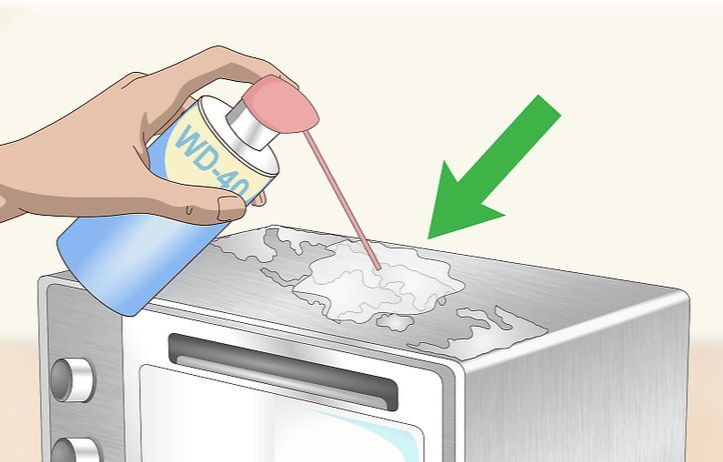
5 Effective Methods for Removing Duct Tape Adhesive
Before applying duct tape, it is crucial to ensure that the surface is both clean and dry. Duct tape utilizes a pressure-sensitive, rubber-based adhesive that performs optimally on a pristine surface. This practice not only enhances the tape's adhesion but also minimizes the likelihood of excessive residue upon removal. Should you encounter adhesive residue after the tape has been taken off, there is no need for concern. Here are five effective strategies for eliminating sticky residue, allowing you to maintain a clean workspace.
By employing these techniques, you can confidently tackle any project without the worry of leaving unsightly marks or adhesive stains. Understanding how to effectively remove duct tape adhesive from various surfaces is essential for achieving a polished finish in your endeavors.
1. Gently Scrape Away Duct Tape Residue
To avoid damaging surfaces, it is advisable to refrain from using harsh chemicals or abrasive materials. Instead, focus on removing as much of the residual adhesive as possible through gentle methods. Start by peeling off any loose tape or residue with your fingers. Following this, utilize a plastic scraper or an old credit card to carefully scrape away the remaining duct tape residue. If you opt for a metal putty knife or utility blade, exercise caution, as these tools can scratch or gouge the surface. It is always best to begin with gentler techniques to prevent any permanent damage to the underlying material.
By adhering to these guidelines, you can effectively manage adhesive residue while preserving the integrity of the surfaces involved.
2. Utilize heat to liquefy tape adhesive
This method is among our preferred techniques. Applying heat to the adhesive can facilitate its softening, thereby rendering it easier to eliminate. Employ a hairdryer to gently warm the residue. Tackle small sections at a time and meticulously scrape or wipe away the softened adhesive as you progress. Exercise caution to avoid excessive heating of the surface, particularly if it is heat-sensitive or composed of plastic.
3. A solution of warm water and vinegar can effectively assist in eradicating residual adhesive
Utilize warm water and a damp cloth to delicately remove the stubborn glue. Similar to the hairdryer technique, the warm soapy water aids in softening the duct tape's adhesive, making it simpler to extract. Incorporating equal parts vinegar into the warm water is safe for finished hardwood floors. Soak a cloth in the solution and place it over the affected area, allowing it to rest for a minute or two before gently wiping away the adhesive residue.
4. Use cooking oil or a penetrating lubricant to break down duct tape adhesive
Many cooking oils can assist in breaking down the sticky properties of duct tape residue. This method is particularly effective on plastic surfaces. Apply a small amount of oil – such as vegetable oil or olive oil – directly onto the residue and allow it to soak in. Gently rub the area with a soft cloth or sponge to lift off the residue. If needed, repeat the process until the residue is completely removed.
A penetrating lubricant is also an excellent option for eliminating duct tape residue from glass, finished hardwoods, fiberglass, and any other nonporous surfaces.

5. Utilize isopropyl alcohol on nonporous surfaces for effective residue elimination
Isopropyl alcohol – the type commonly found in your household or medicine cabinet – can effectively dissolve duct tape adhesive. Apply a small quantity of alcohol to a clean cloth and gently rub the affected area. Exercise caution when using alcohol, as it may lead to discoloration or damage. It is advisable to conduct a patch test in an inconspicuous area prior to application.
Additional tips for duct tape residue removal:
If the adhesive residue proves particularly stubborn, consider employing a commercial adhesive remover. Seek out products specifically formulated for the removal of adhesive residues and adhere to the manufacturer’s instructions for optimal results.
Before attempting any of the methods mentioned above, it’s crucial to test them on a small, hidden area of the surface first. This will help ensure that the method does not cause any damage or discoloration to the material. Different surfaces may require unique cleaning techniques. If you’re uncertain about how to clean a specific surface or have concerns regarding potential damage, it’s best to follow the manufacturer’s guidelines.
Tape like a pro with Ram Board.
We understand that dealing with duct tape can sometimes be a challenging endeavor, but we hope this guide assists you when you encounter difficulties. Knowing the right techniques to remove residue can help you maximize the effectiveness of your tape, ensuring all your projects turn out beautifully.
Equipped with these strategies for eliminating tape residue, you’re ready to tackle any sticky situation that arises. Remember, with a bit of patience and the correct method, you can maintain your surfaces free of residue.
For more details about cloth tape, relected to https://www.enyangprint.com/article-5659425927332756.html
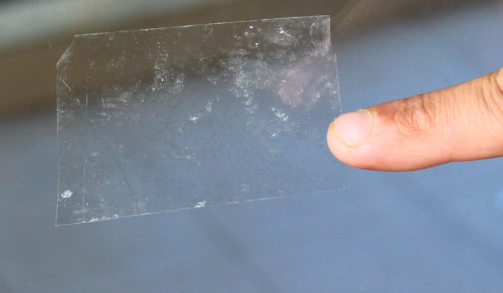
How to Avoid Tape Residue
Understanding why tape adheres and the impact of your surface on adhesion is essential for selecting the appropriate tape. For instance, using duct tape on drywall is not advisable. While some individuals opt for Gaffer’s Tape instead, as it tends to leave significantly less residue, it is also considerably more expensive and may not always be the best choice for construction tasks. This highlights the importance of conducting a bit of research to prevent sticky situations.
Always ensure that your surface is clean and dry before applying tape. Contaminants like dirt, grease, lint, remnants of old paint, wet paint, or plaster can enhance adhesion, leading to leftover residue. More critically, these factors can cause the tape to fail. Additionally, consider replacing old tape; removing it, cleaning the surface, and applying fresh tape can help minimize adhesion buildup, particularly with masking tape.
Lastly, there are specialized tapes designed to leave no residue, such as stucco tape. If residue problems lead to extra work on-site, investing in a higher-quality tape that performs well on the first try may be worthwhile. Often, the true cost of a project includes not just the tape's price but also the labor it saves.
For more details about duct tape, please contact us at +86 15097355251
What is rotary printing?
How to make screen printing on T-shirts?
Related Article


