
What is adhesive cloth tape?
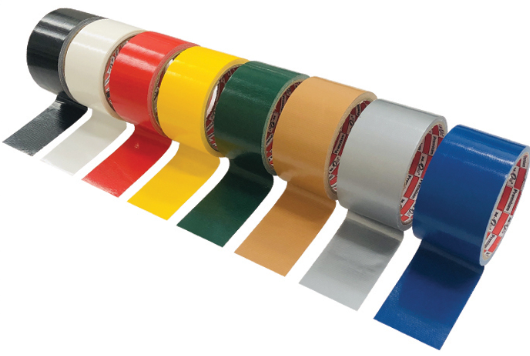
What is adhesive cloth tape?
Cloth tape, a specialized form of adhesive tape, features a backing made from woven fabric that is coated with adhesive on one or both sides. This fabric backing is typically crafted from materials such as cotton, polyester, fiberglass, or a blend of fibers. The adhesive composition may vary, with silicone-based options designed for high-temperature applications, while rubber-based or acrylic adhesives are frequently employed for standard ambient temperature uses. Understanding the diverse applications of cloth tape is essential for selecting the most suitable type for your specific requirements.
Renowned for its exceptional strength, durability, and versatility, cloth tape is particularly noted for its capacity to adapt to uneven surfaces and endure rigorous applications. The fabric backing imparts additional reinforcement and stability, rendering it resistant to tearing and stretching. The adhesive properties of cloth tape ensure robust adhesion to a wide range of surfaces, enabling secure bonding and effective assembly of various objects.
In terms of material and construction, cloth tapes are made by weaving together fibers such as nylon, rayon, cotton, or polyester, which results in a strong yet flexible backing. Most cloth tapes are designed with a single-sided adhesive, although double-sided options are available for specific applications.

The adhesive used in cloth tapes can be categorized into two main types: Natural Rubber and Hot Melt.
Natural Rubber adhesives are frequently employed for general-purpose uses due to their excellent initial tack and the ability to be removed easily under certain conditions, time frames, and applications.
Hot Melt adhesives provide a strong, high-tack bond that is suitable for a variety of everyday general-purpose tasks.
Additionally, the cloth backing of these tapes allows for easy hand tearing, making them convenient for quick applications and ensuring clean cuts.
What are the applications?
Cloth tape is highly versatile and can be utilized in numerous ways. Common applications include:
Entertainment industry: Used for securing cables, marking stage locations, and making quick repairs.
Construction: Ideal for joining drop sheets, securing temporary structures, and masking during painting and plastering, as well as for sandblasting applications.
Automotive: Useful for bundling wires and cables, providing a neat and organized appearance in vehicle interiors and engine compartments.
General maintenance: Suitable for various repair tasks, from patching equipment to reinforcing packaging.
Cloth tapes are versatile adhesive solutions that serve a multitude of purposes due to their robust strength, durability, and flexibility. Here are some of the most prevalent types of cloth tapes:
Gaffer Tape: Commonly referred to as gaff tape, spike tape, or gaffer’s tape, this heavy-duty cloth tape is predominantly utilized in the entertainment sector, particularly within film, theater, and photography. It boasts a powerful adhesive yet can be removed effortlessly without leaving any residue. Gaffer tape is frequently employed for securing cables, marking stages, bundling equipment, and executing various temporary repairs.
Duct Tape: Renowned for its strength and versatility, duct tape is a multipurpose cloth adhesive. It typically features a polyethylene-coated cloth backing paired with a rubber-based adhesive. This type of tape is extensively used for general repairs, bundling, sealing, and temporary fixes in both residential and industrial settings. Its defining characteristics include strong adhesion, water resistance, and exceptional tensile strength.
Bookbinding Tape: Specifically engineered for the repair and reinforcement of book spines and covers, bookbinding tape is crafted from durable cloth material capable of enduring frequent handling. It is available in a variety of colors and widths to complement different book designs and sizes.
Carpet Tape: Designed for affixing carpets and rugs to various surfaces, carpet tape features a cloth backing coated with a robust adhesive that ensures a reliable bond between the carpet and the floor. This tape is instrumental in preventing the slipping or shifting of carpets and rugs, thereby enhancing stability and safety.
Fiberglass Tape: Fiberglass silicone tape is utilized for masking in high-temperature applications, such as two-tone powder coating and ceramic coating processes, capable of withstanding temperatures up to 500°F for one hour.

Duct tape is a highly versatile and widely utilized adhesive tape renowned for its strength, durability, and extensive range of applications.
Repairs and Patching
Duct tape is frequently employed for expedient fixes and repairs in domestic, professional, or outdoor environments. It serves as an effective means to patch or seal damaged items, including fractured pipes, leaking hoses, torn upholstery, or cracked plastic components.
Bundling and Securing
Duct tape proves invaluable for bundling items together, such as loose cables, wires, or tools. It aids in maintaining organization and mitigating tripping hazards. Furthermore, duct tape can be employed to temporarily secure objects, such as stabilizing a loose car bumper or holding together a temporarily damaged item.
Arts and Theater Productions
In the arts and theater industry, duct tape is a staple for a variety of purposes. It is utilized for constructing sets, securing props, creating temporary stage markings, and even for modifying or repairing costumes.
Crafts and DIY Projects
Duct tape has surged in popularity within the realms of arts, crafts, and do-it-yourself projects. Its versatility and availability in an array of colors and patterns make it ideal for crafting wallets, bags, costumes, decorations, and other imaginative endeavors.
Outdoor and Camping Applications
Duct tape is immensely prized in outdoor and camping contexts due to its exceptional durability and resistance to the elements. It serves a multitude of purposes, including the repair of tents, tarps, and camping equipment, the securing of loose gear, and even the construction of makeshift shelters or emergency fixes in wilderness environments.
Crisis Scenarios
Duct tape is frequently incorporated into emergency kits or survival packs owing to its remarkable versatility and practicality in critical situations. It can be employed to fashion bandages, splints, or slings, temporarily seal leaks, or secure items during emergencies.
It is essential to recognize that while duct tape boasts a wide range of applications and is invaluable in numerous situations, it may not always represent the optimal solution for every scenario. In specialized fields or critical applications, there may exist more tailored tapes or adhesives specifically engineered to meet the unique demands of the task at hand.
How to Apply and Remove Cloth Tape
Unlike other tape varieties, cloth tape can be easily torn from the roll or cut with scissors. For optimal application, ensure the tape is placed evenly and pressed firmly against the surface. If needed, use a smoothing tool or your fingers to eliminate any air bubbles trapped beneath the tape.
When it’s time to take the cloth tape off, simply peel it away from the surface. Most cloth tapes, especially higher-quality options, typically do not leave any adhesive residue. However, if you encounter any leftover adhesive, it can be removed using an adhesive remover.
Cloth tapes, such as gaffer's tape, duct tape, and carpet tape, are generally removable without causing major damage to most surfaces when applied and taken off properly. However, there are several important considerations to keep in mind:
Adhesive Residue: Although cloth tapes are engineered for strong adhesion, they may leave some sticky residue behind when removed. The amount of residue can differ based on the type of tape used and the surface it's applied to. Typically, this residue can be easily eliminated using common household solvents like rubbing alcohol or specialized adhesive removers. Before applying any solvent, it's advisable to test it on a small, hidden area of the surface to ensure it won't cause any harm.
Surface Sensitivity: Certain surfaces may be more vulnerable to damage during adhesive removal. Delicate materials like wallpaper, painted walls, or specific finishes can be particularly susceptible. It’s wise to conduct a test on a small, inconspicuous area of the surface first to evaluate any potential damage or residue before applying the tape extensively.
Duration of Adhesion: The longer the cloth tape stays adhered to the surface, the more challenging it may be to remove without leaving behind residue or causing damage. It’s advisable to take off the tape as soon as it’s no longer needed to reduce the risk of adhesive residue or harm to the surface.
Proper Removal Technique: To reduce the likelihood of damage, it is recommended to carefully and slowly remove cloth tapes. Begin at one corner and gently peel the tape back, applying steady and light tension. Avoid yanking the tape forcefully, as this can heighten the chances of damaging the surface or leaving behind residue. If the tape proves difficult to remove, using a hairdryer on a low setting to warm it can sometimes help soften the adhesive and facilitate easier removal.
While cloth tapes are generally deemed safe for most surfaces, it’s crucial to proceed with caution and take into account the specific surface material, the length of time the tape has been adhered, and the method of removal. If there is any uncertainty regarding the tape’s compatibility with a particular surface or concerns about possible damage, it’s best to test a small area first or consult a professional for advice.

Safety Precautions of cloth adhesive tape
While cloth tape is generally safe to use, it's wise to follow these precautions:
Conduct a test on a small, inconspicuous area before applying it to delicate surfaces to confirm it won’t cause any damage.
Is Cloth Tape Waterproof?
While duct tape is celebrated for its adaptability and strength, it is not naturally waterproof. Standard duct tape generally features a cloth or mesh backing combined with a rubber-based adhesive, which means it might not create a completely airtight seal against water.
However, there are specialized versions of duct tape, such as “waterproof duct tape” or “weather-resistant duct tape,” that are engineered to provide enhanced protection against water, moisture, and environmental elements. These variants typically incorporate a more robust backing material or a water-resistant adhesive.
If you require a truly waterproof solution, it’s best to seek out tapes that are explicitly marked as waterproof or intended for moisture-resistant applications. These products are specifically formulated to endure water exposure and may be more appropriate for situations where a secure seal against moisture is essential.
It's important to note that even with waterproof or weather-resistant duct tape, the effectiveness of the seal can be influenced by factors such as the surface to which it is applied, the level of water exposure, and the duration of that exposure. For critical waterproofing applications, it is advisable to utilize specialized waterproofing tapes or materials that are specifically designed for such tasks.
Selecting the Right Cloth Tape
When choosing cloth tape for your needs, consider these three essential factors:
Adhesive Strength: For applications that require high performance, opt for tapes with robust adhesive properties. Ensure the tape’s material aligns with your specific requirements, whether you need flexibility or a certain finish.
Environment: Think about where the tape will be used—indoors or outdoors—and select tapes that offer the necessary resistance properties.
Why Choose Stylus Tapes?
Stylus Tapes has established itself as one of Australia’s leading suppliers of various types of cloth tape over the years, recognized for our quality and dependability. When you choose us, you’ll benefit from:
A wide range of cloth tapes suited for diverse applications.
High-performance products engineered for durability and user-friendliness.
Expert advice to assist you in selecting the ideal tape for your projects.
How to make screen printing on T-shirts?
Tape Adhesives Ultimate Guide
Related Article


