
How to Apply Digital Painting Technology to Screen Printing
How to Apply Digital Painting Technology to Screen Printing
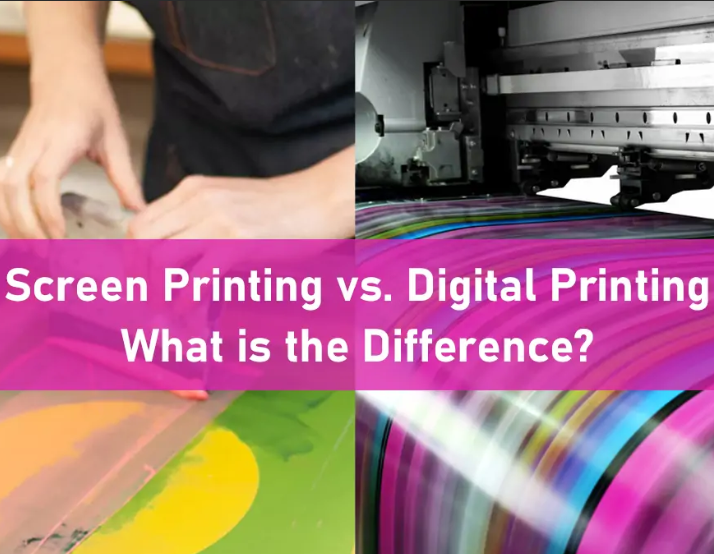
Screen printing is a long-established printing technique. The printing plate is made of a silk screen, which is carefully crafted through the processes of coating photopolymer, sealing the anodized base plate, and exposing and developing the plate. In the printing process, the screen printing ink can only leak through the mesh to the substrate, thus forming the desired print.
The simplicity of screen printing equipment, its intuitive operation, and the simplicity and low cost of its printing and plate-making processes make it widely adaptable. Unusually, screen printing is not only suitable for plane printing, but also because the screen can partially wrap the three-dimensional objects and can be easily printed images and text on the molded products. In recent years, screen printing technology has been known as "universal printing".
Screen printing, a unique printing technique, has also made its mark in the field of artistic creation in recent years. Its biggest advantage is that it is easy to print on curved surfaces, which is significantly different from other traditional printing methods. Screen printing output works, bright and eye-catching colors, ink layer thick and full, three-dimensional sense of full, and can be preserved for a long time, so favored by various industries. Whether it is circuit boards, textiles, ceramics, glass, and even oversized packaging and product decoration, can be perfectly presented through screen printing.
Digital painting is a vast and complex art form that combines traditional painting techniques, with digital tools and software. Whether it is the use of brushes and layers, masking and compositing, texturing, lighting and shading, or color theory, each technique plays a vital role in creating a beautiful and dynamic digital painting. As technology continues to advance, digital painting will undoubtedly continue to evolve, providing artists with new tools and techniques to explore and experiment with.
Digital painting and screen printing are two different art forms that can be combined to create unique and compelling works of art. The first step in combining digital painting with screen printing is to create a digital painting picture. Digital paintings can be created using a variety of software programs such as Adobe Photoshop, Corel Painter, or Procreate. Digital paintings can produce a wide variety of effects, from realistic brush strokes to bold abstract designs. Once the digital painting is complete, it needs to be printed onto transparent inkjet film in preparation for the screen printing process.

To combine screen printing and digital painting, a transparent film with digital painting is placed on top of the screen to create a unique layered effect. Depending on the desired effect, multiple colors and layers can be applied using the screen printing process. Digital painting adds texture and depth to the image, while the screen printing process adds physicality and dimension.
One of the benefits of combining digital painting and screen printing is the opportunity to experiment and create. Digital painting can be manipulated and edited in real time, allowing for endless variations and possibilities. By combining this digital process with the physicality of screen printing, artists can create compelling and one-of-a-kind works of art.
The combination of digital painting and screen printing can also have commercial applications. For example, artists can use this technique to create limited edition prints or unique designs for clothing or home decoration products. The layered effect created by combining digital painting and screen printing can create a sense of exclusivity and value for consumers.
The digital painting process allows for a wide range of effects and textures, while screen printing adds physical dimension and tactile qualities to the work. By experimenting with different colors, textures and layers, artists can create truly stunning works of art, and the combination of the two techniques also has commercial applications, offering artists the opportunity to create limited edition prints and unique products.
Incorporating digital painting techniques into the screen printing process can produce environmentally friendly products. By reducing the amount of waste and pollution produced during the printing process, the environmental impact on the surrounding community can be minimized. Digital painting requires no additional chemicals or materials to prepare the screen for printing, which further reduces the footprint of producing printed materials.
By adopting digital paintings technology into their printing strategies, organizations can increase their output of high-quality, cost-effective printed materials in less time, while significantly reducing their environmental impact. As printing technology continues to advance, it is important to keep up with new programs that can give you an edge over your com petitors.
For more details about screen printing, please contact us at +15097355251
Nano Tape Introduction
Glass Screen Printing
Related Article


