
What is the pallet tape?
2025-06-05
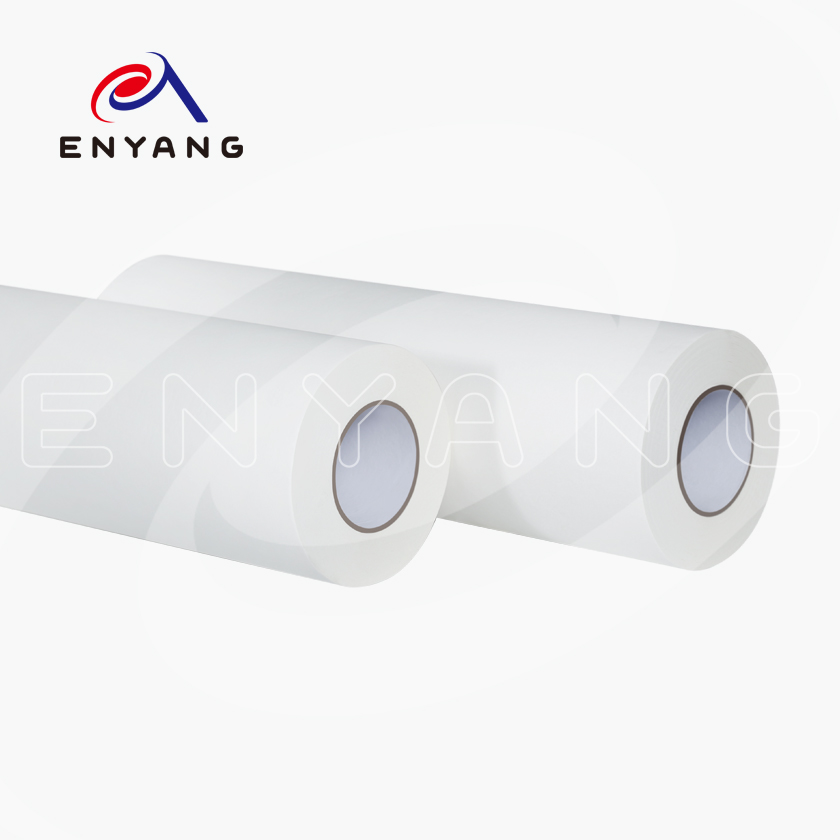
What is the pallet tape?
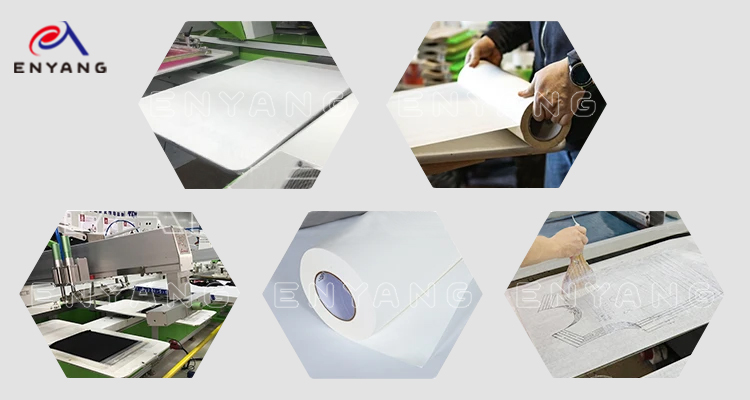
Enyang pallet tape is to protect the screen printing platen. It has been widely used in oval printing machines, octopus printing machines or handprinting tables, which can greatly reduce the labor and time of cleaning the platen and extend the service life of the platen.
Enyang pallet tape has heat-resistant adhesive, providing medium and high viscosity, which can meet the needs of different customers. Platen paper, the paper is soft, fits the platen, and can effectively prevent the leakageof pallet glue. Compared with most brands, the weight of Enyang pallet tape is more saturated, and it can be polished with sandpaper many times, which is the best choice for customers to save money.
Pallet Tape Advantage
High elasticity natural rubber
High softness parchment paper
High strength abrasiveness
Storage Condition of pallet paper
Do not transport or store together with volatile organic solvents, avoid direct sunlight and rain. Store in an environment with a temperature of 10~30 degrees and a humidity of 40-70%. Use within 6 months of purchase to get the best performance. Please put pallet tape upright to avoid crushing when storing.
Pallet Tape Common Specifications
500mm*100m/550mm*100m/600mm*100m/650mm*100m/700mm*100m/1200mm*100m.
We also provide other special specifications.
Pallet Tape Application
Used for silkcreen printing , retensionable frames
Protect printing pallets surface from ink spills, leaks and spray adhesive.
www.enyangprint.com +86 15097355251
The development history of screen printing technology
HOW TO CHOOSE A SQUEEGEE
Related Article
Start with a one-color design, a screen sized for the artwork, and a spare shirt for test prints. The first print gives you a chance to check placement, edge sharpness, and ink coverage before you load the rest of the batch. Most of those results depend on decisions made before the squeegee touches the fabric.
How to Screen Print T-Shirts in Small Batches

A screen can look clean and still have fingerprints, dust, or residue from the last reclaim. These contaminants can make photo emulsion coat unevenly and contribute to pinholes, weak spots, or missing fine detail after washout. Degreasing removes contamination before you coat the mesh, when it’s still easy to fix.
How to Degrease a Screen for Screen Printing

Start with a single-color chest graphic and a flat area of the hoodie, away from seams and pockets. With a simple design, you can tell whether your screen is ready by looking at three things: the image areas wash out cleanly, a test print transfers the whole design, and the ink cures according to its instructions.
How to Screen Print a Hoodie in One Color
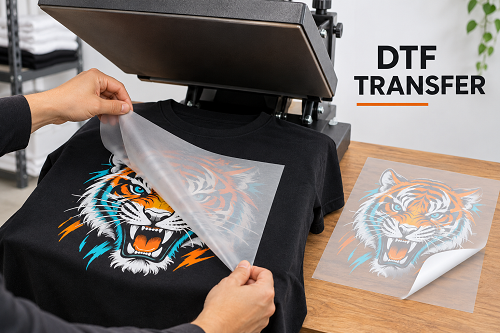
A DTF transfer can look fine when it comes off the heat press and still lift or crack in the wash. If the edges peel, start by checking heat, time, and pressure at the point where the print lifted. If the print cracks while the edges stay down, check how the design stretches with the garment and review how it was washed and dried.
Why Do DTF Transfers Peel or Crack After Washing?