
How to choose mesh count for screen printing?
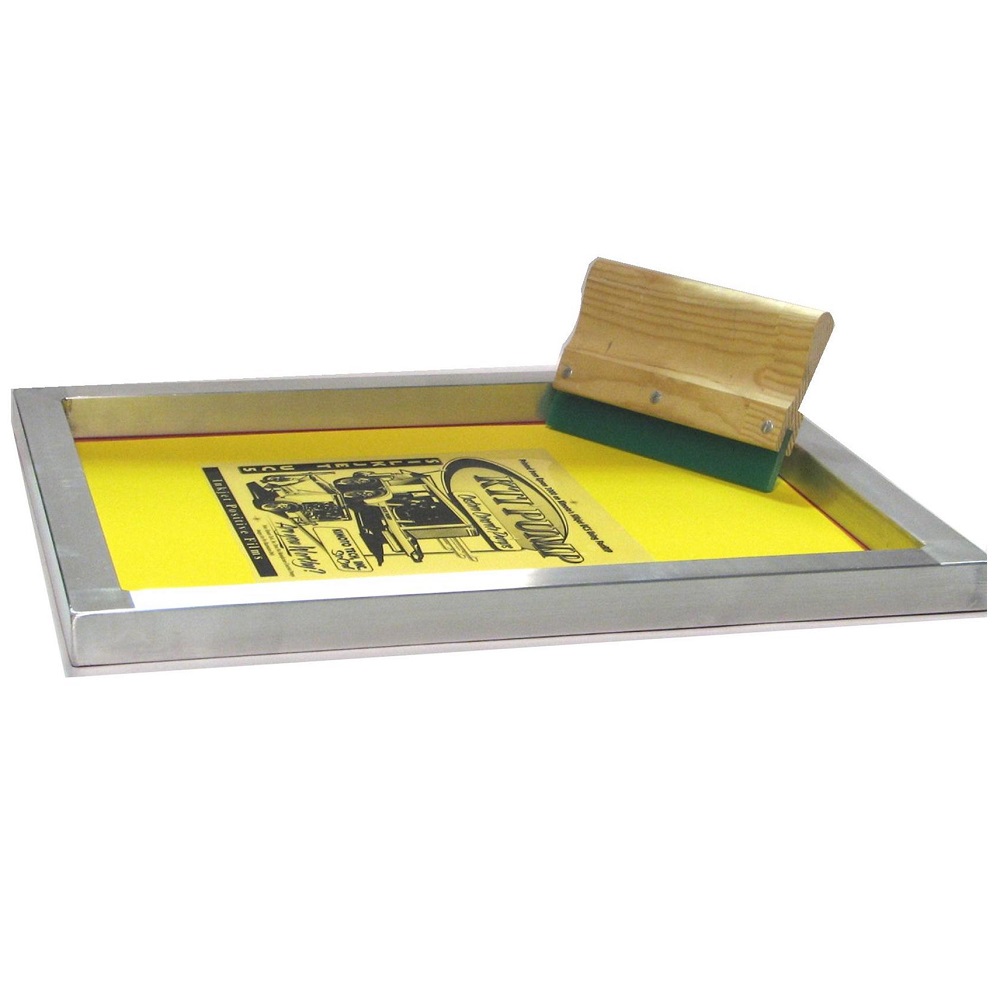
How to choose mesh count for screen printing?
The selection of mesh count for garment printing is mainly affected by the printing ink and printing material. The most widely used mesh counts in screen printing are 110 and 156. 110 mesh applies a noticeably heavy ink deposit.
our suggestions as below:
28~30 mesh- ,white color
Mainly used for printing glitter inks, due to the bigger hole size, this mesh will print a very high volume of ink, having a thick coat of emulsion making it difficult to expose.
60 mesh is a open mesh that can be used for a variety of small glitter and all shimmer inks. It can also be used for thicker inks or stacked ink.
86 mesh-100micron thread,white color
Mainly used for athletic printing, opaque ink deposits, thick puff ink, and some shimmer inks. Similar with 28~30 mesh, this mesh will print a very high volume of ink and have a thick coat of emulsion making it difficult to expose.
86 Mesh is recommended for printing with most shimmer inks. If you are printing with a glitter ink or a larger flake shimmer ink be sure to use a lower mesh such as a 60 or 38 mesh.
110 mesh-80 micron thread,white color
Mainly used for heavy coverage on dark shirts, solid under base prints, puff, metallic, some shimmer inks, and for certain transfer printing. It is a great mesh count for high opacity inks on any dark garments.
110 mesh is an open mesh that can be used for a underbasing, putting down a thick layer of white inks, or designs that do not have much detail in them.
Used for thicker inks,and lower detail.

125 mesh-48T-70 micron thread,white color
125 mesh is an open mesh that can be used for a underbasing, putting down a nice layer of white ink on dark garments, or used with designs that do not have much detail in them.
155~160 mesh:
156 mesh-64 micron thread,white color
Most common type, mainly for general printing on white T-shirts & under basing on dark shirts, prints on nylon jackets, thinner silver shimmer inks. Many thinner plastisol inks will print well with this mesh count.
160 mesh is a midrange mesh used when printing over an under base with a top coat,and holding some detailed designs.
160 mesh count:pretty good all around mesh and holds good detail
195 mesh:
Mainly used for printing on light colored T-shirts with fine detail, line work or halftones of around 35 LPI.
200 mesh is a midrange mesh used when printing over an under base with a top coat,and holding some detailed designs.
230 mesh-48micron thread,yellow color
Mainly used for printing on light colored tee shirts with fine detail, line work or halftones of around 45 LPI.
230 mesh is good when printing fine detail, halftones, and fine lines. The 230 mesh screen does not put down a lot of ink, so when printing on dark garments with this mesh it is a good idea to use an underbase to get good coverage. This is also a very popular mesh count when you are using water based inks.
230 mesh count:smaller holes means less ink will pass so you can print cool posters with this mesh,and it holds awesome detail.
305~355 mesh:
Mainly used for process color on light shirts, or for overprinting a halftone on a white under base on dark shirts. You should be able to pull of halftones of up to 65 LPI but a 55 LPI is most common.
305 mesh is good when printing fine detail, four color process, and spot color process.
305 mesh count:Commonly used for super fine detail,photos,CMYK,etc.
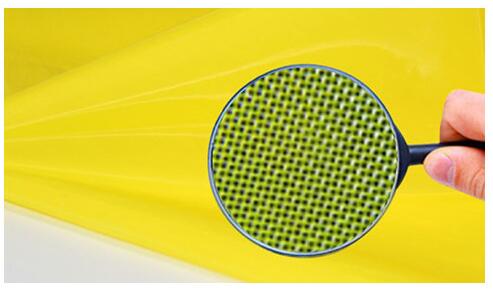
Selecting the proper screen printing mesh is critical for producing high-quality prints with your preferred detail level. Key considerations include ink type, design intricacy, material being printed on, and production volume. After choosing your screen, maintaining proper tension, cleanliness, and consistent ink application are vital for print success. By implementing the guidelines in this article, you'll be able to pick optimal screens and produce professional-grade prints that satisfy your requirements. Always evaluate all variables and apply these recommendations for optimal outcomes.
What is nano tape?
Screen Printing Squeegee Tips and Insights
Related Article


