
How to Make Screen Print Film Transfers
How to Make Screen Print Film Transfers
Want to personalize garments or fabric items with custom designs? Screen print transfers offer an excellent solution! This guide will walk you through the entire process—from gathering essential supplies to executing each step flawlessly. We’ll also share expert tips to help you achieve crisp, long-lasting results.
Essential Tools & Materials
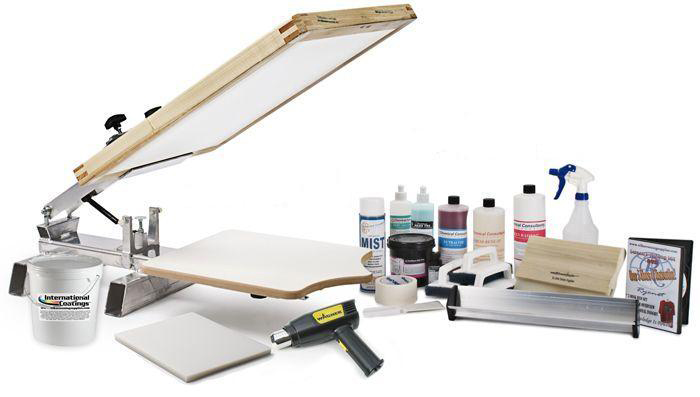
To produce high-quality screen print transfers, you’ll need the right equipment. Whether using plastisol ink with a heat press for traditional printing or water-based ink with water-based transfer paper film for heat-applied designs, proper tools ensure professional outcomes.
Screen Printing Mesh
Low Elongation, High Tension. A finely woven silk mesh that allows precise ink application onto fabric.
43T – Perfect for thicker inks on heavy fabrics, paper, cardboard, and other porous materials. Delivers a high ink deposit, making it ideal for bold designs with larger elements and less intricate detail. Also excellent for underbase layers, leaving a solid foundation for colors printed on top.
55T – A versatile choice for general printing on fabrics, T-shirts, and textiles where balanced ink coverage is key. Strikes the right balance between detail and ink flow, making it a reliable all-rounder.
77T – Great for textiles, apparel, and paper/cardboard requiring medium detail and controlled ink coverage. Handles moderately complex designs while maintaining smooth ink deposition.
90T – The go-to for fine fabrics, lightweight textiles, and paper/cardboard demanding high detail. Perfect for intricate designs, halftones, and CMYK printing. Also recommended as the top layer in multi-layer prints, depositing a thin, clean layer over the underbase.
120T – Best for ultra-fine details on paper and cardboard. With minimal ink passage, it excels in sharp text, delicate lines, and high-resolution graphics where precision and crispness are essential.
Emulsion & Sensitizer
Photo Emulsion is a light-sensitive substance used in screen printing. It forms a stencil on the screen by hardening when exposed to light. Coating the screen with emulsion and exposing it creates a barrier that allows ink to pass through only in desired areas, enabling the transfer of designs onto surfaces.
Screen printing Ink
Choose between plastisol (durable, vibrant) or water-based (eco-friendly, soft-hand feel). Each specialized ink ranges for every need, including plastisols, water-based inks, and solvent-based inks. Suitable for both decorative uses (with or without visual effects, such as T-shirts) as well as advertising purposes (T-shirts, workwear, banners, bags, etc.) and functional applications (safety clothing).
Screen printing inkjet film
Specialized paper that transfers designs to fabric under heat and pressure. Widely used for Silk Screen printing and plate making.
Commercial Printing: Delivers exceptional precision for high-quality posters, brochures, and magazine production.
Packaging Printing: Ideal for creating printing plates used in cartons, labels, and flexible packaging applications.
Textile Printing: Designed for intricate pattern reproduction on apparel and home textile products.
Industrial Printing: Specialized solution for durable labeling on electronics, automotive components, and industrial parts.

Heat Press or Iron
Applies heat to bond the ink permanently to the material.
Light Source
Cures emulsion-coated screens for sharp, well-defined stencils.
Silk screen printing Squeegee
Spreads ink evenly across the mesh for consistent coverage. Very high abrasion resistance & deformation resistance.
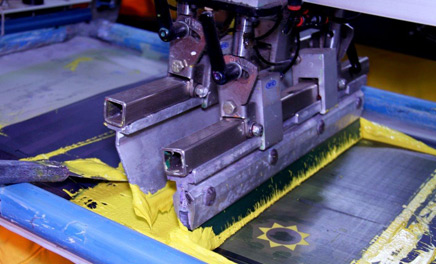
Screen Printing Squeegees serve as fundamental tools in the screen printing process, transferring ink through mesh screens onto various substrates including garments, posters, and specialty materials.
Each squeegee features an ergonomic handle paired with a durable rubber or polyurethane blade. During operation, the blade's precision edge engages with the screen, effectively depositing ink through the mesh onto the printing surface.

Step-by-Step Instructions
Follow these key steps for successful screen print transfers film. Adjustments may be needed based on project specifics. The screen print transfer process can be broken down into two stages: preparing the screen and transferring the design.
1. Preparing the Screen
-
Select Your Design – Choose artwork sized appropriately for your project. If screen printing, mirror the image before printing (screen prinitng, heat transfer).
-
Prepare the screen- Coat the screen printing mesh with emulsion following the manufacturer’s instructions. Once coated, leave the screen in a dark, dry area to dry completely.
-
Coat the Screen – Apply emulsion to the mesh and let it dry in a dark area.
-
Expose the Screen – Place your printed film positive on the coated mesh and expose it to UV light to harden the stencil. This process will create a stencil of the design on the screen.
2. Transferring the Design
-
Preheat Transfer Paper – Warm it slightly to improve ink adhesion.
-
Mix & Apply Ink – Stir plastisol ink thoroughly, then spread it over the screen with a squeegee.
-
Add Adhesive Powder – Dust a light layer over wet ink to enhance fabric bonding.
-
Test First – Do a trial run on scrap fabric to check alignment and ink adhesion.
-
Heat Press Application – Place the transfer paper on the fabric, then press at the recommended temperature and pressure.
-
Inspect & Clean – Check for durability with a stretch test, then clean screens and tools for reuse.
Pro Tips for Best Results
-
Match Ink to Fabric – Use plastisol for synthetics and water-based for natural fibers.
-
Test Before Final Use – Avoid mistakes by printing on spare fabric first.
-
Maintain Equipment – Clean screens and tools after each use to prevent clogs and defects.
-
Try CTS Technology – Computer-to-Screen systems improve accuracy and speed up production.
Final Thoughts
Learning how to make screen print transfers opens endless creative possibilities. Whether using a heat press or traditional methods, precision and practice lead to outstanding, professional-quality prints.
Selecting the appropriate ink is fundamental when creating screen print transfers. The printing surface significantly influences which ink formulation will perform best. Various textiles and substrates demand specific ink properties to ensure proper bonding and longevity. For example, plastisol inks excel when applied to cotton and polyester blends, delivering rich color saturation and exceptional durability through repeated washes. Conversely, water-based formulations work beautifully with natural fabrics like 100% cotton, yielding a softer hand feel while being more eco-conscious. Proper ink-substrate pairing guarantees both immediate print quality and lasting wear performance.
The Importance of Test Prints
Conducting preliminary tests on sample materials should never be overlooked in the printing process. These trial runs enable evaluation of critical factors including ink opacity, hue fidelity, and bonding strength to the chosen material. Experimental prints also allow for calibration of essential parameters like press temperature, application pressure, and curing duration when working with heat-activated transfers. Early detection and correction of potential issues through testing prevents expensive material waste and production errors.
Equipment Maintenance Best Practices
Meticulous cleaning of screens and screen printing tools forms the foundation of consistent, high-caliber print results. Post-printing, screens require thorough cleansing using specialized emulsion removers or mild solvents to eliminate all ink traces and maintain mesh integrity. Similarly, squeegees and other implements demand regular sanitization to avoid color contamination and preserve their functional properties. This disciplined maintenance routine extends equipment service life while ensuring every print maintains sharp, professional quality.
Embracing Digital Workflow Solutions
Implementing Computer-to-Screen (CTS) technology revolutionizes traditional screen production methods. This cutting-edge approach delivers unmatched precision in stencil creation while dramatically reducing manual steps in the workflow. By eliminating film positives, CTS systems minimize human error while accelerating production cycles through rapid, repeatable screen imaging. The technology empowers printers to streamline operations, reduce idle time between jobs, and consistently deliver premium print quality that meets modern market expectations.
Advancing Your Printing Capabilities
Developing expertise in screen print transfer techniques opens exciting creative avenues for custom apparel and textile projects. Whether employing modern heat press applications or conventional screen printing approaches, meticulous execution combined with hands-on experience produces exceptional, gallery-worthy results that stand the test of time.
At EXILE Technologies, we focus on delivering cutting-edge pre-press solutions, establishing ourselves as a trusted partner in the screen printing industry.
Our groundbreaking CTS technology transforms traditional screen preparation methods, allowing for flawless transfer production with unprecedented efficiency.
By adopting CTS technology, printing businesses can achieve substantial cost reductions, optimize time management, and streamline their overall workflow.
Take your screen-printing operations to the next level by reaching out to our expert team today.
Screen Printing Squeegee Tips and Insights
Innovations in Silk Printing: The Role of Advanced Squeegee Rubber and Blades
Related Article


