
THE DIFFERENCES IN SCREEN PRINTING MESH COUNT?
THE DIFFERENCES IN SCREEN PRINTING MESH COUNT?
Screen printing mesh count refers to the number of threads woven into a square inch of fabric. It plays a crucial role in achieving high-quality prints and can make or break your design.
A higher mesh count means more threads per inch, leading to finer details, while a lower mesh count is best for more substantial designs but lacks detail. When selecting a screen printing mesh, consider the type of ink, substrate, and design you're working with.
A common rule of thumb is to choose a mesh count that is four times the size of the dot in your design. screen printing
For example, if your design has a 50-micron dot size, select a 200-mesh count screen. Different types of screen printing mesh are available: polyester, nylon, and stainless steel. silk screen
Each material has its benefits and drawbacks. For example, polyester is cost-effective and widely available, while nylon is more durable and better for higher mesh counts. In conclusion, choosing the right screen printing mesh count is essential to achieving high-quality prints. Understanding the different types of mesh and their applications can help you make informed decisions and produce consistent, professional results. Silk screen
When looking at screens for screen printing you may notice two different numbers for the same screen. These are UK and US types of measurements. In the UK, the ‘T count’ refers to the number of threads per centimetre. In the US, the number refers to the number of threads per inch. As it’s based on a larger area, the US number is always higher. Silk printing

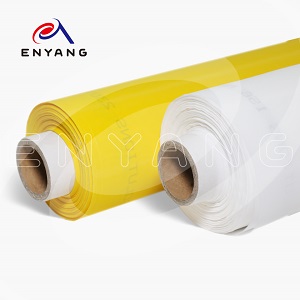
A quick note, mesh will either be yellow or white in colour. The difference here is that the yellow mesh absorbs more light compared to white mesh. It stops light scattering, therefore helping expose intricate details in designs,screen printing
A little reminder. Different mesh counts will hold different amounts of emulsion for screen printing, this is due to the size difference in the holes and variation in thread thickness on coarser mesh counts. Therefore a lower mesh count will hold a higher amount of emulsion. But don’t worry, the difference isn’t extreme. You may just need to change up exposure times ever so slightly to allow for the amount of emulsion on the screen. More emulsion on the screen, means longer exposure times for screen printing
www.enyangprint.com +86 15097355251
transfer film
INKJET FILM POSITIVES FOR SCREEN PRINTING
Related Article


